

What led to Davos transforming into a technology-focused conference?
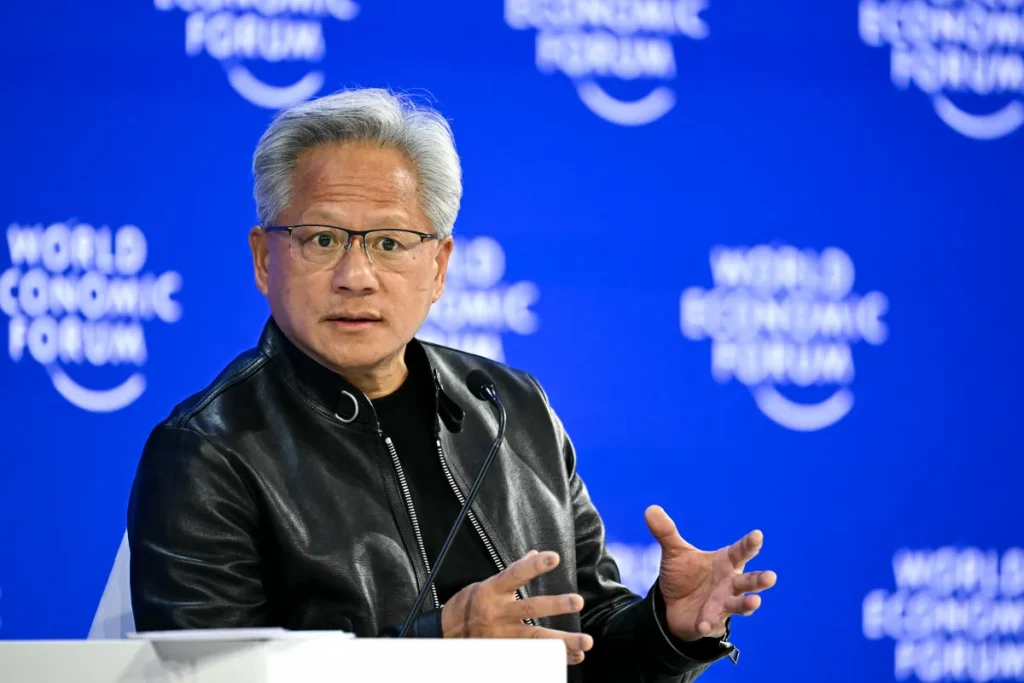
How did Davos turn into a tech conference?
The Impact of AI at the World Economic Forum 2023
The World Economic Forum’s annual meeting in Davos experienced a notable shift this year, with discussions largely focused on artificial intelligence (AI). This change in emphasis, alongside the presence of tech giants like Meta and Salesforce in prominent storefronts, reflected a significant cultural and economic transition. The usual topics such as climate change and global poverty took a backseat, as CEOs openly shared their perspectives on the future of technology and its implications.
AI Takes Center Stage
This year, AI’s influence was undeniable. Many leaders took to the stage, discussing the rapid advancements in technology and its intersection with business and society. The significance of AI was so pronounced that it overshadowed critical global issues that typically dominate conversations at Davos. The shift signifies how transformative AI has become in both the corporate landscape and the global economy.
Voices of CEOs
The conversations at Davos were marked by candidness. CEOs didn’t shy away from publicly criticizing various topics, including trade policies and regulatory frameworks—which were viewed as outdated given the fast-paced advancements in AI. This sentiment reflects a growing concern within the business community about the readiness of current policies to keep pace with technological advancements.
In addition, there were warnings about potential AI bubbles, suggesting that while enthusiasm for AI is at an all-time high, the market might be approaching a point of oversaturation. This phenomenon could lead to consequences similar to those experienced during previous tech bubbles, emphasizing the need for careful evaluation and sustainable growth strategies in the AI sector.
Looking Ahead: The Future of AI
The discussions not only centered on the present implications of AI but also explored what lies ahead. Executives are grappling with questions about the future of their industries amid the rapid evolution of technology. Many leaders emphasized the need for ethical considerations, transparency, and responsible deployment of AI applications to ensure that these innovations contribute positively to society.
In addition to ethical concerns, there is a burgeoning interest in how AI will transform various sectors—ranging from healthcare to finance to education. The consensus is that while AI holds immense potential for innovation, it also requires collaborative approaches to mitigate risks and enhance its benefits.
Navigating Trade Policy in an AI-Driven World
Trade policy was another critical area discussed at Davos, particularly in connection with AI. Executives expressed concerns about the inadequacy of existing frameworks to manage the complexities introduced by AI technologies. As companies increasingly harness the power of AI for competitive advantage, leaders advocate for updated international trade policies that can facilitate innovation while safeguarding national interests.
This dialogue mirrors a broader trend of reevaluating economic strategies in light of new technological realities. Policymakers are urged to engage with industry leaders to create adaptive policies that support AI’s growth while prioritizing ethical standards and societal wellbeing.
The Role of Startups and Innovation
Another highlight of the discussions was the emphasis on startup creativity and innovation. TechCrunch’s Equity podcast delves into the latest funding rounds that caught the attention of attendees at Davos, reinforcing the notion that new enterprises are pivotal in driving technological advancements. As venture capital continues to flow into AI startups, there is optimism about their ability to disrupt traditional industries and drive the next wave of innovation.
Many startup founders shared their visions, capturing the interest of established industry leaders. This cross-collaboration indicates a fertile environment for innovation, where established companies are eager to partner with fresh ideas to navigate the AI landscape successfully.
Conclusion: A New Era Begins
The World Economic Forum 2023 marks a transformative moment in how businesses perceive and engage with AI. The conversations centered around technology’s potential reflect an emerging perspective that prioritizes innovation while acknowledging the associated risks. As leaders take bold steps toward integrating AI into their strategies, the challenge remains to balance progress with ethical considerations and regulatory frameworks.
For those interested in a deeper dive into the discussions and insights from Davos, the TechCrunch’s Equity podcast offers valuable perspectives on the evolving narrative in the tech world. Available across various platforms including YouTube, Apple Podcasts, Overcast, and Spotify, the podcast explores not only the pressing issues discussed in Davos but also tracks the latest trends in startup investments.
To stay updated with the ongoing conversations around AI and related topics, be sure to subscribe to Equity on your preferred platform and follow their updates on X and Threads at @EquityPod. This engagement will keep you connected with the fast-paced developments that are shaping the future of technology and business globally.
Thanks for reading. Please let us know your thoughts and ideas in the comment section down below.
Source link
#Davos #turn #tech #conference
About The Author