
Theker Secures $85M to Create Versatile Factory Robots Without Specialization
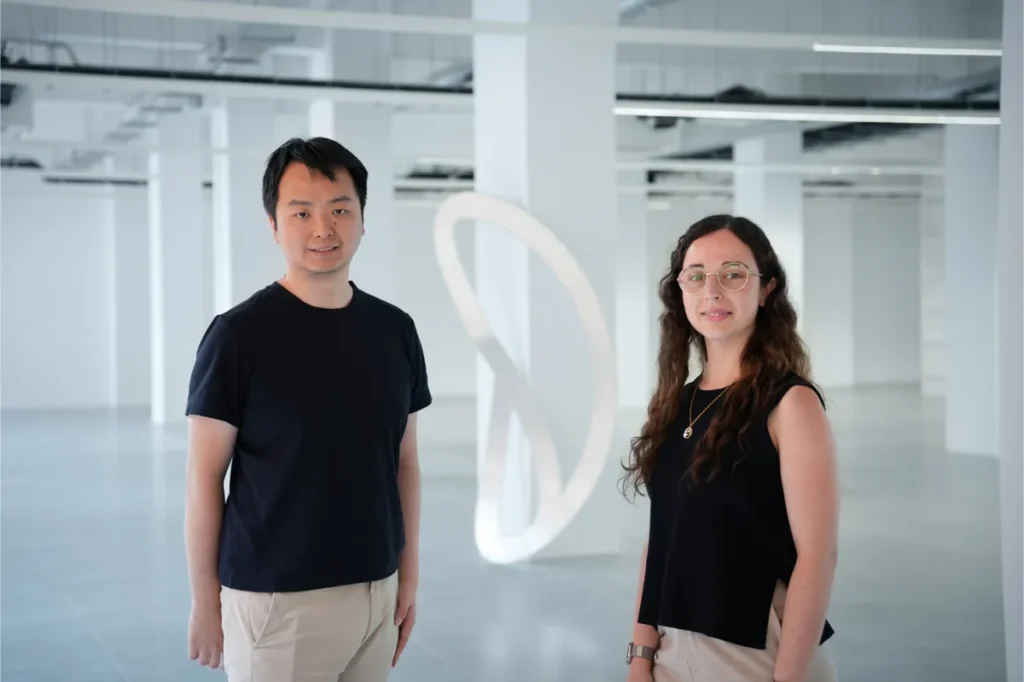
Image Credits:Theker /
The Growing Demand for Versatile Robotics in Manufacturing
As labor shortages continue to besiege the manufacturing sector, the need for automation has intensified. While humanoid robots are not yet poised to take over factory floors, startups promising quicker, more flexible robotic solutions have gained increasing interest from manufacturers. One such startup, Theker, is venturing to redefine industrial automation with its innovative approach to robotics.
Theker’s Disruptive Vision
Founded by Carla Gómez Cano and Jiaqiang Ye Zhu, Theker aims to transcend the limitations of traditional robots that are often confined to performing a single task. As Gómez Cano noted, “If you always have to put the same cookie in the same box, that works perfectly, but most processes aren’t like that.” In contrast, Theker’s robots are designed to adapt to various tasks, acknowledging the complexity and diverse nature of real-world operations.
Reconfigurable Robotics
Distinct from fixed-form humanoid designs, Theker’s machines boast a reconfigurable architecture. Their interchangeable hands, arms, and forms allow them to perform a range of functions—whether sorting packages, packing clothing, or managing bottles and cans in a warehouse. This adaptability positions Theker’s robots as ideal candidates for a variety of tasks within chaotic industrial environments.
Backing from Industry Giants
Theker’s potential has not gone unnoticed. Early support from Inditex, the parent company of Zara, signals a robust market interest in versatile robotics solutions. However, Theker’s ambitions extend well beyond retail. The startup aims to penetrate heavier industrial fields like manufacturing, where manual tasks can be even more intricate and large-scale.
A Record-Breaking Fundraise
Theker recently made headlines by raising $85 million in what they describe as “Europe’s largest ever robotics Series A” round. This fundraising comes less than a year after a significant seed round and was led by American venture capital firm CRV. Notable strategic investors also include Samsung and Aglaé Ventures, the investment arm linked to LVMH chairman Bernard Arnault.
While Gómez Cano emphasized that Samsung is not yet a client, she revealed the two companies are engaged in advanced discussions. The potential partnership could provide Theker with a unique trifecta, operating as a customer, supplier, and investor that would lend both credibility and additional revenue streams in the manufacturing arena.
A No-Nonsense Approach to Innovation
Gómez Cano and Zhu established Theker not to run pilot programs but to deliver real, operational solutions directly. By bypassing corporate innovation departments, Theker focuses on logistics and operations, where genuine deals can be secured within shorter timeframes. This streamlined approach allows them to tackle complex challenges head-on.
Showcasing Capabilities
To substantiate its commitment to global expansion and efficiency, Theker has launched a showroom in central Barcelona. The startup plans to open additional showrooms as it builds its presence across Europe, the U.S., and Asia. Theker anticipates significant growth in its workforce, particularly in technology, deployment, and sales roles, as it scales its operations.
Talent Attraction and Team Expansion
Interest in Theker has been overwhelming; the startup reported receiving 15,000 job applications. Gómez Cano noted the need to filter through these applications is intense. She estimates that the team could expand from its current size to 120 employees by the year’s end—a significant leap from a handful of individuals.
While initially cautious, she reflected on the initial forecasts made during their seed round. “I said we’d raise $30 or $40 million!” she remarked, highlighting the unexpected success and confidence surrounding their Series A fundraise.
Commitment to Barcelona
The ker’s ability to raise twice its target serves as a testament to their commitment to remain headquartered in Barcelona, a burgeoning hub for robotics. The vibrant tech ecosystem in Europe has provided Theker with plenty of advantages, and Gómez Cano reiterated that their location has never hindered their growth. “We are making the most of it,” she states, reinforcing the startup’s confidence in staying rooted within the European tech landscape.
The Future of Robotics in Industry
Theker stands at the forefront of a new wave of industrial automation that prioritizes versatility over rigid functionality. As manufacturing continues to evolve in response to labor shortages and market demand, startups like Theker present compelling alternatives that promise greater efficiency and adaptability.
In a world where the traditional paradigms of labor and automation are being challenged, Theker’s innovative approach offers a glimpse into the future of robotics—one that balances speed, flexibility, and comprehensive capabilities. As they expand their operations and refine their technologies, Theker will undoubtedly play a crucial role in shaping the landscape of modern manufacturing.
Conclusion
In conclusion, Theker is on a promising trajectory to redefine how industries adopt robotic solutions. As labor shortages continue to pressure the manufacturing sector, the urgency for adaptable automation has never been higher. With influential backing, innovative reconfigurable technology, and an operationally focused ethos, Theker is not just a fledgling startup; it’s a beacon for the future of manufacturing robotics. The coming years will reveal just how far Theker can go in its mission to revolutionize the industrial automation landscape, laying the groundwork for a more efficient and flexible future in manufacturing.
Thanks for reading. Please let us know your thoughts and ideas in the comment section down below.
Source link
#Theker #raised #85M #build #factory #robot #doesnt #specialize
About The Author