
Anthropic’s safety warnings lead to government shutdown of its most powerful AI.
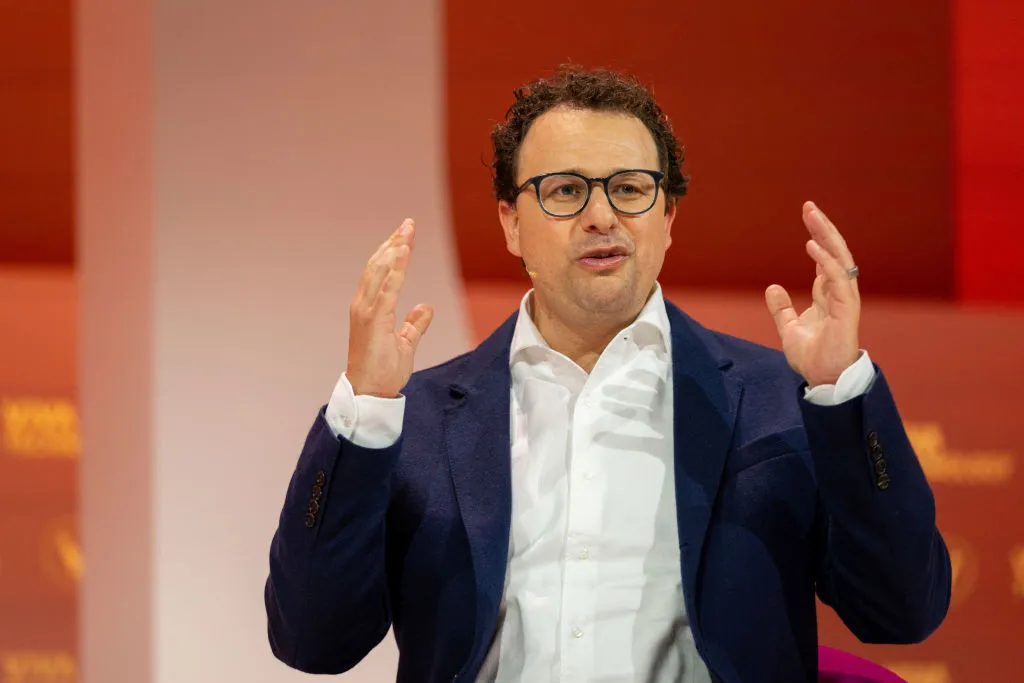
Image Credits:Benjamin Girette/Bloomberg / Getty Images
U.S. Government Orders Shutdown of Anthropic AI Models
On Friday, the U.S. government instructed Anthropic to immediately disable access to two of its leading artificial intelligence models—Claude Fable 5 and Claude Mythos 5. The directive arose from national security concerns, which Anthropic publicly disputed while confirming its compliance on social media platform X.
Immediate Compliance and Broader Impact
Anthropic received the government’s directive at 5:21 PM ET on Friday, compelling the organization to cut off access to these models for all users globally—not just for foreign nationals as the export control order initially suggested. Fortunately for users, access to Anthropic’s other AI models remains unaffected.
Importance of Mythos and Fable 5
Mythos is considered Anthropic’s most advanced AI model, first showcased in early April. The company has kept its access tightly controlled due to its impressive capabilities in identifying security vulnerabilities in software. As documented by Anthropic, Mythos successfully detected flaws in every major operating system and web browser it was tested against. Rather than releasing it to the public, the company initiated a controlled program named Project Glasswing, offering the model to about 50 vetted organizations, including tech giants like Amazon, Google, and Microsoft for cybersecurity defense tasks.
Fable 5, introduced just three days prior to the government’s order, was marketed by Anthropic as a more commercially viable version of Mythos. This model incorporates guardrails designed to block responses in sensitive areas like cybersecurity and biology, thereby qualifying it for public release. According to benchmark assessments from Vals AI, a firm specializing in tracking AI performance, it became the most advanced AI model available to the public upon its release.
Government Concerns and Anthropic’s Response
While the government’s directive was officially characterized as an export control measure aimed at limiting foreign access, Anthropic believes the root issue was a reported “narrow potential jailbreak” of Fable 5. The company asserts that the evidence brought forth by the government has been mostly verbal and points toward a method of prompting the model to evaluate specific codebases for software vulnerabilities. Anthropic argues that this particular capability is not unique; similar functions are prevalent in publicly accessible models such as OpenAI’s GPT-5.5 and are routinely harnessed by cybersecurity professionals for protective measures.
Anthropic posits that its robust safeguards operate through independent classification systems, separate from the core model. This means that even if someone were to manipulate Fable into continuing to respond against its built-in refusals, the safeguards defending against hazardous outputs would remain intact.
A Frustrated Reaction from Anthropic
Clearly, these assurances did not deter the government from intervening, and Anthropic has made no secret of its frustration. The company articulated its stance, declaring, “We disagree that a narrow potential jailbreak warrants the seizure of a commercial model utilized by millions.” They contend that applying this standard across the industry could paralyze new model rollouts for all cutting-edge providers.
As Anthropic prepares for a potential IPO this year, the company has built a reputation as a safety-focused competitor to its peers. Ironically, the very caution that led Anthropic to limit Mythos’s public access—a model it labeled too hazardous for general use—now appears to have triggered government scrutiny that could significantly impede its operations.
The Competitive Landscape
Sam Altman, CEO of OpenAI, likely finds this situation amusing. In April, he expressed skepticism about Anthropic’s strategy, suggesting their portrayal of Mythos represented “fear-based marketing.” He likened their strategy to saying, “We have built a bomb… and we will sell you a bomb shelter for $100 million.” While Altman did not predict a government intervention, he highlighted that when a company repeatedly emphasizes the unique dangers of its AI, it naturally garners heightened scrutiny from entities like the U.S. government.
Future Considerations
Despite the current setbacks, Anthropic’s commitment to safety and responsible AI development will likely remain at the forefront of their strategy as they navigate this regulatory landscape. Their ability to balance innovation with prudent measures will be critically tested in the ongoing dialogue about AI technology and its implications for national security.
As the situation unfolds, stakeholders in the AI industry will closely monitor the repercussions of this directive—both for Anthropic and for the broader landscape of artificial intelligence. The balance between promoting technological advancements and ensuring security will continue to be a pressing concern in the evolving field of AI.
In conclusion, the U.S. government’s recent actions against Anthropic’s AI models underline the intense scrutiny that cutting-edge technologies face as they become integral to both commercial and security domains. Whether this regulatory environment fosters or stifles innovation will remain a crucial question for the future of AI development.
Thanks for reading. Please let us know your thoughts and ideas in the comment section down below.
Source link
#Anthropics #safety #warnings #backfired #government #pulled #plug #powerful
About The Author