
Reasons People Are Skeptical of Mark Zuckerberg’s AI Vision
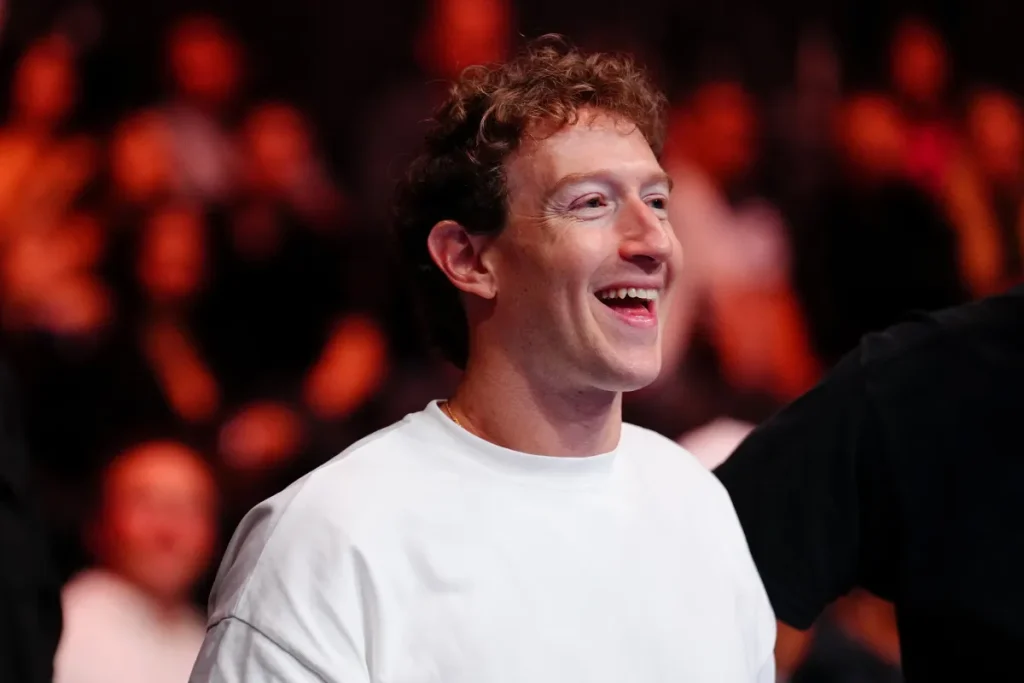
Does Mark Zuckerberg really believe AI is 'for everyone'?
Zuckerberg’s Vision for AI: Balancing Optimism and Skepticism
Meta CEO Mark Zuckerberg recently released an extensive 6,500-word essay titled “The Future is for Everyone,” outlining an optimistic view of a future where artificial intelligence (AI) serves as an exceptional personal agent tailored to individual needs and goals. However, the reception to his vision remains mixed, as highlighted in the latest episode of TechCrunch’s Equity podcast, featuring discussions among Kirsten Korosec, Rebecca Bellan, and Anthony Ha. They delve into why not everyone is convinced by Zuckerberg’s assertions, notably referencing Russell Brandom’s critical take that identified Zuckerberg’s manifesto as a key reason for growing discontent around AI.
The Contrast with AI Doomers
Rebecca Bellan contrasted Zuckerberg’s viewpoint with that of Dario Amodei, the CEO of Anthropic, who has been vocal about the potential dangers of AI. She noted that Zuckerberg appears to present himself as an “anti-Dario,” advocating for rapid technological progress while downplaying risks. Yet, skepticism arises due to Zuckerberg’s and Meta’s checkered history with technology and community trust.
“I mean, look at Zuckerberg’s promises from the early days of social media, where he claimed to facilitate connection,” Rebecca said. “What we ended up with is a landscape dominated by ragebait and targeted advertisements rather than meaningful interactions.”
A Quest for Personal Empowerment
Rebecca suggested that Zuckerberg’s current push toward AI is an attempt to reclaim ground in a competitive tech landscape. While Meta struggles to excel in cutting-edge AI research and user engagement compared to other leading companies, Zuckerberg’s focus on personal empowerment may be his path forward. “He aims for Meta to present AI tools that individuals can use directly on their own devices,” she explained. However, clarity about the precise hardware and software ecosystem remains vague.
Zuckerberg envisions using Meta’s AI model, Glimmer, for tasks like scheduling, messaging, and file organization, claiming it will operate seamlessly, whether online or offline. Yet, concerns linger about accessibility, especially with the introduction of Muse Spark, which gives Meta a degree of control over its most advanced models, creating barriers for general consumers.
The Investment and Leadership Gap
Anthony Ha emphasized the significant investments Meta has made in AI, including attempts to recruit top talent in the field. Nevertheless, the company often does not feature in discussions about “frontier labs,” which can create a perception of stagnation. In the realm of consumer AI chatbots, Meta has also struggled to establish its brand as a leading personal assistant.
Rebecca echoed this sentiment, stating, “Zuckerberg’s assertions may sound grand, but the practicality of them often feels surreptitious at best. The consumer experience with Meta AI often centers around creepy interactions rather than genuine utility.”
The Messenger Matters
Russell Brandom’s critique highlights another layer of skepticism: the messenger. Zuckerberg’s controversial reputation undoubtedly contributes to public mistrust of his AI vision. As Anthony pointed out, “There’s a palpable suspicion surrounding Zuckerberg and Meta. This could intensify with the upcoming Facebook movie, which may amplify people’s perceptions of them.”
Moreover, the responses to AI predictions from figures like Zuckerberg and Altman often evoke public backlash. For instance, Altman’s suggestion to use AI to create podcasts for children faced criticism, with many questioning why one wouldn’t simply engage in direct conversation with their kids instead.
A Reality Check on AI Potential
While Zuckerberg’s manifesto offers some valid ideas about the potential of AI to unleash creativity and innovation, the abstract nature of these claims may fail to convince skeptics. The more concrete proposals regarding AI personal coaching and assistance have mixed reception, as people weigh their potential benefits against their inherent drawbacks.
Overall, while Zuckerberg’s vision promises an empowered future through AI, it’s important to critically assess the credibility of the messenger and the practicality of the proposed solutions. The skepticism surrounding Zuckerberg’s manifesto serves as a reminder that individuals seek not only lofty ambitions but also realistic paths toward achieving them.
In summary, Zuckerberg’s essay reflects a compelling vision for the future but is clouded by past missteps and public distrust. As the dialogue around AI continues, it’s crucial for stakeholders to balance innovation with responsibility and authenticity.
Thanks for reading. Please let us know your thoughts and ideas in the comment section down below.
Source link
#people #arent #buying #Mark #Zuckerbergs #future
About The Author