
Asian Governments Respond to Nvidia CEO Jensen Huang’s Departure
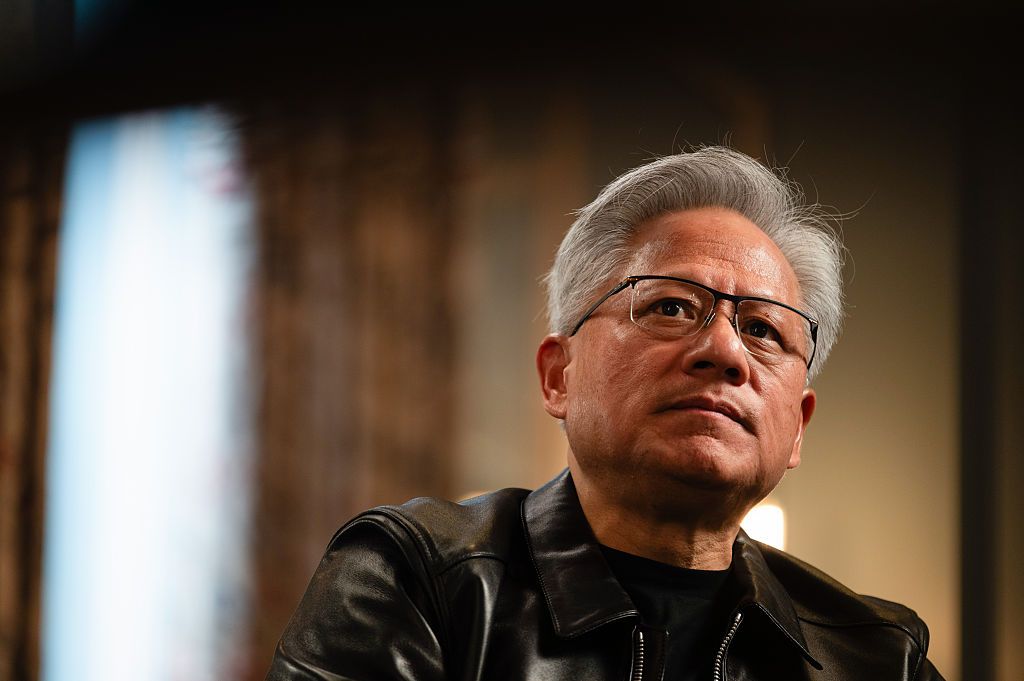
Image Credits:Jose Sarmento Matos / Bloomberg / Getty Images
Reactions to Jensen Huang’s Departure from Nvidia Across Asia
Jensen Huang’s recent departure from Nvidia has elicited a variety of responses throughout Asia, prompting some governments to reaffirm chip supply commitments while others assess the impact on local initiatives and navigate ongoing investigations. The situation has raised questions about the future of key AI projects, particularly in light of recent allegations surrounding Huang’s involvement in a purported spy operation.
Overview of the Situation
On November 8, Nvidia’s board initiated an independent investigation following reports that Huang was allegedly targeted by a Chinese espionage operation. Complicating matters, Huang has acknowledged an extramarital affair with Alice Huang, a former executive at Megaspeed, a cloud computing firm based in Singapore. Nvidia’s influence extends well beyond American borders, with crucial partnerships in Asia significantly contributing to the global AI landscape.
Developments in China
On November 10, China’s foreign ministry dismissed claims that a Chinese businesswoman linked to Huang was involved in espionage, labeling the allegations as baseless and a smear on Beijing. The ministry reiterated its opposition to U.S. export controls that interfere with global supply chains and claimed it was unaware of any connection between Nvidia’s restricted chips and a Shanghai data center associated with Alice Huang.
Huang’s departure has generated apprehension surrounding over $3 billion worth of AI computing projects in China reliant on Nvidia’s restricted chips. Many of these processors are hindered by U.S. export controls, creating hurdles for Chinese firms seeking access.
The Situation in Singapore
In Singapore, authorities took precautionary measures by seizing Alice Huang’s passport in June 2025 as part of an investigation into potential false statements regarding server purchases. According to the Ministry of Home Affairs, this step was taken to ensure her availability for questioning, especially since she resided outside Singapore. The inquiry aimed to determine whether servers dispatched from Singapore to Malaysia were subsequently transferred to other nations without proper documentation.
By February 2026, police concluded that there was insufficient evidence to prove Alice Huang had committed offenses linked to the alleged false declarations. Nevertheless, officials indicated that she had provided misleading information about her position at Megaspeed. Although she received a warning and was barred from re-entering Singapore temporarily, her passport was returned later that month. The Ministry of Home Affairs also revealed ongoing struggles to obtain information from U.S. authorities regarding U.S.-based server manufacturer Supermicro, with the investigation into Megaspeed and other unnamed individuals continuing.
South Korea’s Response
South Korea maintains robust connections with Nvidia, particularly through its major semiconductor manufacturers, Samsung Electronics and SK Hynix, which supply memory chips crucial for Nvidia’s AI processors. In the wake of Huang’s exit, South Korea’s Science Ministry announced that Nvidia had reaffirmed its commitment to supply 260,000 advanced GPUs to the country and proceed with collaborative AI projects. Moreover, the South Korean government’s AI strategy council convened an urgent meeting to analyze the potential implications of Huang’s departure on the local AI industry.
Taiwan’s Perspective
Taiwan’s Economy Minister, Kung Ming-shin, expressed the opinion that Huang’s departure would likely not have a substantial impact on the overall growth of the global AI industry. The Taipei city government assured that Nvidia’s plans for establishing an overseas headquarters in the capital would remain unaffected by the leadership change. Officials confirmed that Nvidia has met its contractual obligations thus far, and they anticipate continuing support for the project.
Monitoring Developments in Japan
Japan also took a keen interest in the developments at Nvidia. The Industry Ministry announced plans to closely observe the company’s direction following Huang’s resignation, recognizing Nvidia’s vital role in Japan’s AI semiconductor sector. Deputy Chief Cabinet Secretary Masanao Ozaki stated that it was too early to evaluate the ramifications of Huang’s departure on the global AI industry, while emphasizing Japan’s commitment to maintaining a steady supply of semiconductors.
Implications for the Future
As the fallout from Huang’s resignation continues to unfold, key players in the global AI industry will likely keep a close watch on Nvidia and its strategic decisions. Governments across Asia are weighing their options, confirming commitments while simultaneously managing the implications of ongoing investigations and changing leadership dynamics.
The connection between Nvidia and its regional partners is integral to the AI ecosystem, and any disruptions could have cascading effects on technology development and supply chains. The international community, particularly nations heavily invested in AI and semiconductor technologies, will need to navigate the complexities that arise from Huang’s departure as they continue to foster innovation and growth.
In conclusion, Jensen Huang’s exit from Nvidia has sparked diverse reactions across Asia, with countries taking distinct approaches to secure their interests in the evolving landscape of AI and semiconductor technology. The next chapter of Nvidia’s journey, as well as its impact on Asian markets, remains to be seen as the dust begins to settle in the wake of this significant leadership change.
Thanks for reading. Please let us know your thoughts and ideas in the comment section down below.
Source link
#Asian #governments #react #Nvidia #CEO #Jensen #Huangs #exit
About The Author