

Amazon CEO reportedly voiced concerns over Anthropic model prior to government intervention.
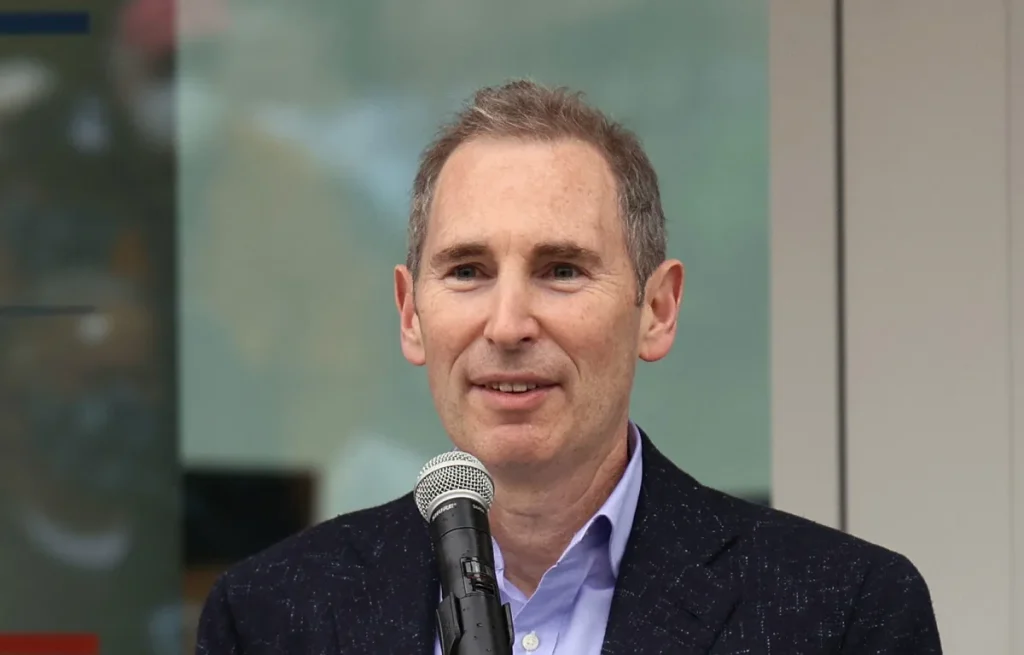
Image Credits:Bruce Bennett / Getty Images
Amazon CEO Sparks Security Concerns Leading to Anthropic Model Restrictions
Amazon CEO Andy Jassy has recently become the focal point of a security controversy that resulted in Anthropic restricting global access to two of its AI models, Claude Fable 5 and Mythos 5. This situation raises significant concerns about AI security and government oversight in the rapidly evolving technological landscape.
Jassy’s Revelation to Government Officials
According to a report from The Wall Street Journal, Jassy informed Treasury Secretary Scott Bessent and other high-ranking government officials that researchers at Amazon had reportedly utilized Anthropic’s Claude Fable 5 to extract intelligence that could potentially facilitate cyberattacks. In response to these alarming claims, the U.S. government swiftly enacted an export control ban on both the Fable 5 and Mythos 5 models.
This development underscores the delicate balance between innovation in artificial intelligence and the imperative to protect national security. The repercussions of such technologies, if abused, could have far-reaching implications for cybersecurity.
Amazon’s Official Stance
An Amazon spokesperson responded to the situation by stating that it is “not uncommon for governments to seek our counsel on potential security risks.” However, the representative emphasized that the company does not disclose the specifics of these discussions, highlighting the sensitivity of security-related communications.
In an additional statement, the spokesperson noted that Amazon Web Services (AWS) has been adversely impacted by the suspension of access to these models, which further complicates the narrative surrounding this issue. The interconnectedness of major tech companies and government bodies requires transparency, especially when security concerns are in play.
The Role of Amazon as an Investor in Anthropic
Amazon is not just a casual observer in this situation; it is also a significant investor in Anthropic. Reports from The Information and Reuters corroborate that Amazon had raised alarms regarding the security vulnerabilities associated with Anthropic’s AI models. This dual role as both an investor and a scrutinizer of technology adds another layer of complexity to the already intricate dynamics between corporations and government oversight.
Insights from AI Experts
David Sacks, who served as Trump’s AI czar and currently co-chairs the President’s Council of Advisors on Science and Technology, provided further insight into the discussions surrounding this controversy. He claimed that a “highly credible trusted partner of both Anthropic and the US government” reported a critical security issue, described as a “jailbreak,” concerning the Claude Fable 5 model.
Sacks mentioned that the U.S. Administration urged Anthropic CEO Dario Amodei to rectify this jailbreak or to decommission the model entirely. According to Sacks, Amodei’s refusal to comply has fueled tensions between governmental authorities and AI developers, emphasizing the ongoing struggle over responsible AI deployment.
Government Concerns and Public Access
In a blog post addressing the situation, Anthropic acknowledged that the technological capabilities raising government concerns are already accessible through other publicly available AI models. This statement opens up an intriguing debate about whether restricting specific models is effective or merely a band-aid solution for deeper issues within the realm of cybersecurity and AI ethics.
The Bigger Picture: AI Security and Ethics
This incident shines a spotlight on the broader implications of artificial intelligence in society. As AI technologies become increasingly sophisticated, the potential for misuse escalates. The U.S. government’s intervention raises essential questions about how to regulate AI effectively while still fostering innovation.
Companies like Amazon and Anthropic find themselves at a crossroads: how to responsibly advance AI technology while ensuring that such developments do not compromise security. This incident underscores the urgent need for more rigorous guidelines and frameworks governing the use of AI.
Future Implications for Tech Companies
The recent events signify a trend where tech companies must navigate a minefield of ethical considerations and governmental scrutiny. As AI capabilities expand, so too does the responsibility that corporations hold in ensuring their technologies do not pose a threat to cybersecurity.
The outcomes of this situation could set important precedents for how companies engage with government bodies on security issues. If further restrictions are put in place, it may compel organizations to adopt more stringent security measures and protocols.
Conclusion: A Wake-Up Call for the Tech Industry
The circumstance surrounding Amazon and Anthropic should serve as a wake-up call to the entire tech industry. As we stride deeper into an era dominated by artificial intelligence, the crucial balance between innovation and security must be maintained. This situation is not merely a challenge for Amazon or Anthropic, but a collective responsibility that involves all stakeholders in the AI ecosystem.
In summary, as we witness the unfolding implications of this incident, it becomes increasingly apparent that constructive dialogue between tech companies, government authorities, and ethical boards is necessary to navigate the complexities of AI technology and security. It is imperative that as we move forward, the lessons learned from these events inform best practices and regulatory measures that will shape the future of AI and its role in society.
Thanks for reading. Please let us know your thoughts and ideas in the comment section down below.
Source link
#Amazon #CEO #reportedly #raised #Anthropic #model #concerns #government #crackdown
About The Author