

Satya Nadella foresees AI agents transforming the online economy landscape.
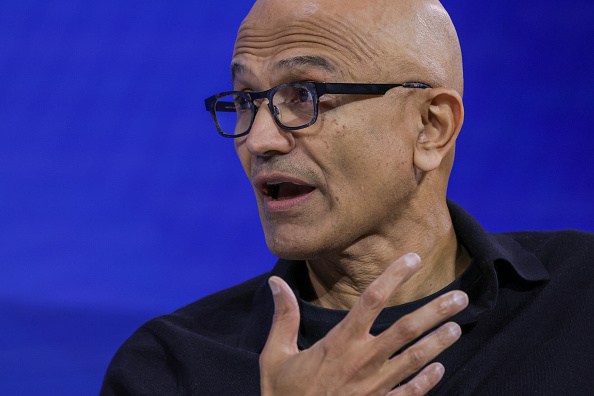
Image Credits:Spencer Platt / Staff (opens in a new window) / Getty Images
The Impact of AI Agents on Internet Economics: Insights from Microsoft CEO Satya Nadella
In recent years, the rise of artificial intelligence (AI) has sparked transformative changes across various industries. Microsoft CEO Satya Nadella recently shared his insights on the future of the internet and how AI agents are poised to reshape its economic landscape. These changes are expected to significantly affect advertising-based business models and how companies adapt to what he refers to as the “agentic web.”
The Shift from the Human Web to the Agentic Web
Speaking at The New York Times Dealbook Summit, Nadella highlighted how the transition towards an agentic web will alter traditional dynamics between companies and their revenue streams, especially those reliant on advertising and human-generated traffic. He drew parallels with the historical shift from early web portals like Yahoo to search engines like Google, which fundamentally changed how users interact with online content.
Nadella emphasized that the current aggregators, whose business models were built around serving human users, are likely to face significant disruptions. “The current aggregators who have a business model which was for the human web will get, in some sense, reshuffled,” he stated. This hints at an upcoming seismic shift in business models where companies will have to rethink their strategies in light of AI-enhanced navigational tools that aggregate and analyze data more efficiently.
Rethinking Advertising Strategies
One of the major implications of this shift pertains to how companies monetize their platforms. Traditionally, companies have relied on generating revenue from ads based on user engagement, often quantified by “eyeballs.” However, as AI agents take on more active roles in facilitating transactions and user interactions, businesses may need to pivot towards performance-based models such as Cost-Per-Click (CPC) advertising.
Nadella pointed out that, “if you were monetizing ads because of the eyeballs, you now have to probably get down to essentially maybe CPC wins; maybe it’s more transactional.” This sentiment indicates a transition from passive ad revenue to more dynamic, behavior-based financial models, which could create new opportunities as well as challenges for companies traditionally reliant on advertising.
The Case of Amazon and AI Agent Access
The conversation also touched upon Amazon and its controversial decision to block AI agents from accessing its retail platform. This move prevents AI tools from browsing its vast catalog or making purchases on behalf of users, which implies a defensive stance against the expanding influence of AI agents.
Nadella cautioned that companies like Amazon, which are intent on preserving their existing business models, might find themselves at a disadvantage. “If you don’t accept the agent, somebody else will,” he warned, signaling that platforms embracing AI agents could outpace those that resist change. For example, if Amazon continues to restrict AI access, competitors such as Shopify may capitalize on the scenario by permitting AI interactions, potentially capturing market share from Amazon.
Emerging Business Models in a Changing Landscape
As Nadella elaborated on the evolving internet economy, he emphasized the need for companies to remain adaptable. The ability to pivot away from outdated business models is crucial for survival in the fast-evolving digital landscape. “I think this is going to be interesting,” he remarked, noting the similar trends emerging across various sectors.
The fundamental challenge lies in the willingness of companies to embrace change. As AI agents become more integrated into everyday digital interactions, businesses will be required to rethink their strategies and possibly implement new technologies to stay competitive. Those entrenched in conventional practices may find themselves scrambling to adapt as the marketplace evolves.
The Future is Agent-Driven
The rise of AI agents has the potential to redefine how companies engage with users, analyze data, and generate revenue. This transformative shift toward an agentic web will require businesses to become more agile and receptive to technological advancements. Companies that can leverage AI effectively may unlock entirely new revenue streams and enhance user experiences, while those that resist this change could face substantial risks.
The evolving role of AI in business isn’t merely a trend; it represents a fundamental recalibration of how organizations operate in a digital economy. Nadella’s comments serve as a clarion call for businesses to evaluate their current models and prepare for a future where AI agents play a central role in driving traffic, conversions, and overall business success.
Conclusion
Satya Nadella’s insights shed light on a transformative moment in the digital economy shaped by the proliferation of AI agents. The shift from a human-oriented web to an agent-driven approach signifies the need for companies to rethink their strategies in marketing, revenue generation, and user engagement. As the landscape continues to evolve, the success of organizations will largely depend on their agility in adapting to these changes.
In a rapidly changing world, companies unwilling to embrace AI’s capabilities risk being left behind, while those that proactively harness these tools stand to gain a competitive edge. The future of the internet is undoubtedly being forged in the realm of AI, and how businesses navigate this landscape will define their fortunes in the years to come.
Thanks for reading. Please let us know your thoughts and ideas in the comment section down below.
Source link
#Satya #Nadella #predicts #agents #reshuffle #economics #web
About The Author