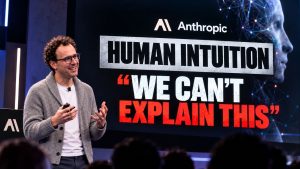

AI boosts productivity potential, but managers face challenges in implementation for now.

Image Credits:bobbieo / Getty Images
Challenges of Evaluating Employee Performance in the Age of AI
In recent years, the rapid adoption of artificial intelligence (AI) in the workplace has transformed various aspects of business operations. While AI tools offer remarkable efficiencies and insights, a surprising trend has emerged among managers tasked with evaluating employee performance. According to a new survey, over 50% of managers report that they find it increasingly challenging to assess their employees’ work after integrating AI into their processes. This article explores the implications of this finding, the contributing factors, and potential strategies to navigate this evolving landscape.
The Rise of AI in the Workplace
AI has gained prominence across various industries, automating tasks that were once considered the sole domain of human workers. From data analysis to customer service, AI tools are being utilized to streamline operations and enhance productivity. However, the integration of AI is not without its complexities. As businesses embrace these technologies, managers face new challenges in ensuring that human contributions are accurately recognized and evaluated.
Understanding the Survey Findings
The survey revealing that over half of managers find it harder to evaluate employee performance post-AI adoption underscores a critical issue in workforce management. Many organizations have rushed to implement AI solutions without fully addressing how these changes will affect employee assessments. This disconnect can lead to misunderstandings and an environment where workers feel undervalued or misjudged.
Factors Contributing to Evaluation Challenges
Several factors contribute to the difficulties managers face in evaluating employee performance in an AI-driven environment:
1. Lack of Clear Metrics
With AI systems handling a significant portion of tasks, traditional performance metrics may no longer accurately reflect an employee’s contribution to the company’s success. Managers might struggle to set new benchmarks that encompass both AI performance and human input.
2. Reduced Visibility of Employee Contributions
AI can process vast amounts of data and automate tasks, potentially obscuring individual contributions. As tasks become more interdependent, highlighting an employee’s specific impact on outcomes can become complex, complicating performance reviews.
3. Changing Job Roles
The integration of AI often alters job descriptions and responsibilities. Employees may take on new roles that require skills they haven’t yet mastered, making it difficult for managers to evaluate their performance accurately.
4. Emotional and Psychological Factors
Employees may feel anxious about the changes brought on by AI. If they perceive that their contribution is less visible or valued, it can lead to decreased motivation and engagement, affecting overall performance. Managers need to navigate these psychological aspects to foster a positive work environment.
Strategies for Effective Employee Evaluation
Despite the challenges posed by AI adoption, managers can implement several strategies to enhance the evaluation process for their employees:
1. Adapt Performance Metrics
It’s crucial to develop new performance metrics that combine quantitative data from AI tools with qualitative assessments of human contributions. Consider incorporating feedback from peers and self-assessments to provide a holistic view of an employee’s performance.
2. Promote Transparency and Communication
Creating an open dialogue about the role of AI in the workplace can help employees understand how their work fits into the larger picture. Regular check-ins and feedback sessions can ensure that employees feel valued and aware of what is expected of them.
3. Emphasize Continuous Learning
Encouraging continuous education and training allows employees to adapt to new tools and technologies. Providing opportunities for skill development can alleviate anxiety and empower employees to embrace AI as a supportive resource rather than a replacement.
4. Implement Collaborative Tools
Utilizing collaborative platforms that integrate AI capabilities can help managers gain insights into team dynamics and individual contributions. By maintaining visibility into projects and workflows, managers can make more informed assessments of performance.
Navigating the Future of Employee Evaluation
As AI continues to evolve, so too will the challenges and opportunities for employee evaluation. Organizations that take a proactive approach to redefining performance assessment in an AI-driven environment will be better positioned to harness the benefits of these technologies while maintaining a motivated and engaged workforce.
1. Embrace a Hybrid Evaluation Model
Adopting a hybrid model that balances both AI-driven data and human intuition can provide a more accurate picture of employee performance. Managers should leverage AI insights while ensuring that they also consider the unique strengths and contributions of each team member.
2. Foster a Culture of Trust
Encouraging a culture of trust and collaboration can mitigate the challenges associated with AI implementation. When employees feel supported and recognized, they are more likely to embrace change and contribute positively to organizational goals.
3. Regularly Review and Adjust Processes
Continually reassessing evaluation processes can help organizations remain agile in the face of rapid technological change. By staying in tune with employees’ needs and the evolving landscape, managers can implement adjustments that foster a fair and effective evaluation process.
Conclusion
In summary, the survey indicating that over 50% of managers struggle to evaluate employee performance post-AI adoption highlights a significant shift in workplace dynamics. As organizations continue to integrate AI into their operations, it is essential for managers to adapt their evaluation methods to ensure that employees feel valued and understood. By addressing the challenges and implementing proactive strategies, businesses can create an environment where both AI and human contributions are recognized and celebrated. Embracing this evolution will not only enhance employee satisfaction but also drive organizational success in the AI era.
Thanks for reading. Please let us know your thoughts and ideas in the comment section down below.
Source link
#promises #productivity #managers #headache
About The Author