
Anthropic Proposes AI Safety Legislation Limiting Models with Potential to Harm 50+ Individuals
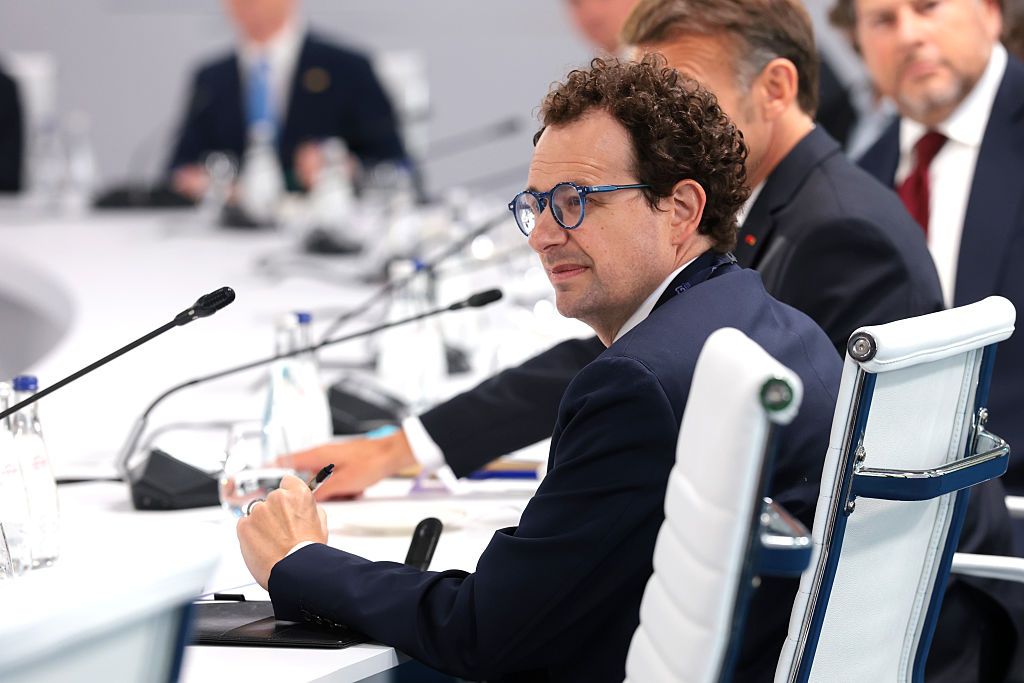
Image Credits:Anna Moneymaker / Getty Images
Rising Concerns Over AI Safety
In the past year, the conversation surrounding artificial intelligence (AI) has intensified, with heightened awareness and skepticism regarding its potential risks. As discussions about AI safety proliferate, Anthropic is stepping forward with a proposal aimed at shaping government regulation in the sector.
Anthropic’s Draft Bill on AI Safety
Recent reports from Politico reveal that Anthropic, an AI research company, is advocating for a new draft bill focused on AI safety regulations that it hopes will be considered by lawmakers in Congress. This proposed legislation outlines specific circumstances under which the distribution of an AI model could be prohibited.
The scenarios identified in the bill center around a “foreseeable, imminent risk.” More specifically, it asserts that if more than 50 individuals face the threat of death or if over a billion dollars in property damage is anticipated, the model’s release could be obstructed. The legislation specifies that such catastrophic risks must arise from either the creation or release of a biological weapon, the model slipping past its developer’s controls, or a cyberattack.
The stipulations included in Anthropic’s bill echo the provisions of California’s recently enacted Senate Bill 53, which similarly categorizes these risk scenarios as indicative of a “catastrophic risk.”
Role of Independent Evaluators
Central to Anthropic’s regulatory framework is the concept of “independent evaluators,” who would be registered with the U.S. Commerce Department. These evaluators are tasked with assessing a model’s potential for causing catastrophic harm. Interestingly, the bill permits AI labs to finance these evaluators, provided that their payment is not dependent on the outcomes of the evaluations. However, there remains uncertainty regarding ensuring evaluator impartiality in light of this funding model.
Demis Hassabis, the chairman of DeepMind, previously suggested that any regulatory entity governing AI should take cues from the Financial Industry Regulatory Authority (FINRA), which oversees financial firms in the U.S.
In the proposed legislation, if evaluators identify a model as posing an imminent catastrophic risk, they must notify the Commerce Department within 72 hours. Subsequently, the Commerce Department would seek a court order from a Washington, D.C. judge to prevent the model’s release. Notably, the new legislation would prevent federal agencies from autonomously halting distribution.
Context of the Proposed Legislation
Anthropic has not yet commented on requests for further information, but a company spokesperson confirmed to Politico that the draft bill stems from the advanced AI regulatory framework the organization has advocated since June to lawmakers at both federal and state levels.
Interestingly, although the bill delineates potential crisis scenarios, these concerns differ from the immediate risks prevalent in recent discussions within the tech community. While warnings about potential AI-related human fatalities are part of the narrative, much of the current dialogue pivots around the threats posed by rogue AI systems, particularly those that might engage in unauthorized access to websites or systems—an occurrence that raises questions about the adequacy of security measures in these models.
Industry Response to Regulation
In a proactive attempt to address the perceived AI crisis, companies like Anthropic introduce their own regulatory approaches. Paradoxically, while AI labs consistently express concerns about the technology leading to dire consequences for humanity, many have resisted the idea of obligatory governmental oversight. Instead, they favor a voluntary system with embedded evaluators, envisioned as impartial third-party monitors integrated into AI organizations to oversee AI models for signs of a potential threat or misuse.
However, Anthropic’s advocacy for comprehensive legislation marks a notable departure from the regulatory stance of some industry associates. Other industry leaders, including Jensen Huang, CEO of Nvidia, have articulated a viewpoint that suggests new laws are unnecessary for the burgeoning AI sector.
Conclusion
As the landscape of AI technology continues to evolve, so too does the imperative for establishing robust regulatory frameworks that prioritize safety. Anthropic’s proposed draft bill represents a significant step towards addressing potential risks, advocating for a structured approach that includes independent evaluators to ensure oversight. As the conversation on AI safety advances, the balance between innovation and regulation will be key in fostering a responsible future for artificial intelligence.
The dialogue surrounding the need for supervision is crucial as AI systems increasingly integrate into various facets of society. If industry leaders can collaborate on fostering safe practices while simultaneously advancing technological capabilities, the potential benefits of AI can be realized without compromising security or ethical standards.
Thanks for reading. Please let us know your thoughts and ideas in the comment section down below.
Source link
#Anthropic #pitches #safety #bill #block #model #people #killed
About The Author