

Jack Dorsey Cuts Block’s Workforce in Half — Your Company May Be Next
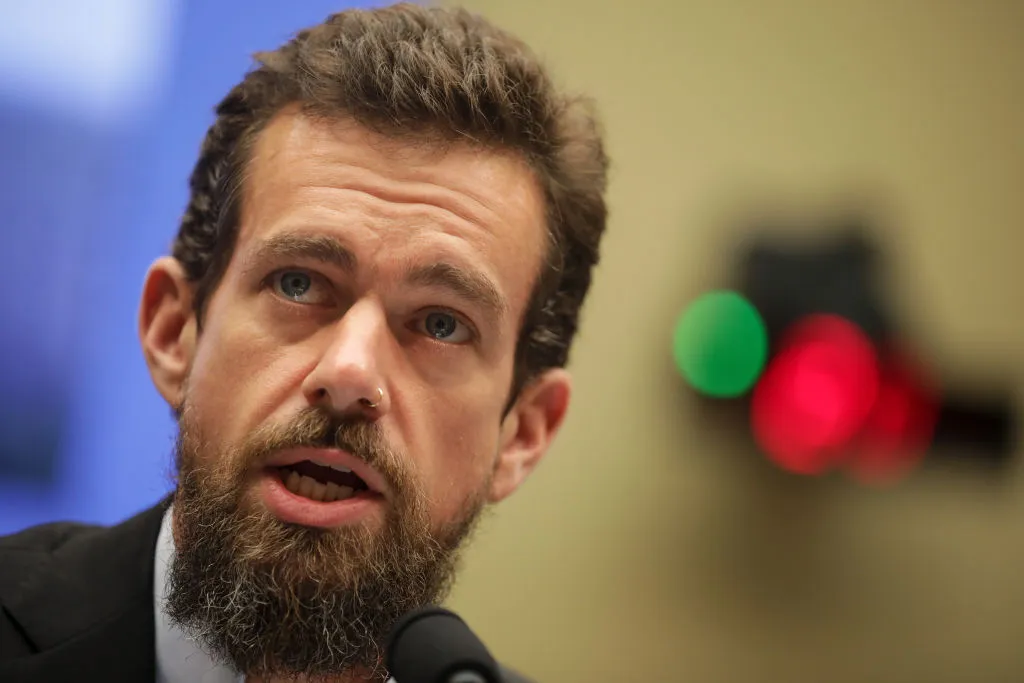
Image Credits:Drew Angerer / Getty Images
Jack Dorsey’s Bold Move: Block Cuts Workforce Amidst AI Push
Jack Dorsey has long expressed admiration for Elon Musk, and his latest actions suggest he might be adopting some of Musk’s strategies. On Thursday, Dorsey announced significant layoffs at Block, the payments company he founded, which encompasses Square, Cash App, and Tidal. The company will let go of over 4,000 employees, almost half of its total workforce, reducing its staff from over 10,000 to nearly 6,000. This announcement was met with enthusiasm from investors, resulting in a more than 24% spike in Block’s stock during after-hours trading.
The Trend in Tech Layoffs
Dorsey’s decision is not an isolated instance; it echoes a broader trend in the tech industry. In November 2022, Elon Musk executed a massive reduction in Twitter’s workforce when he took the company private, laying off about 50% of its staff. This sweeping move shocked many in Silicon Valley, altering the previously accepted norms regarding layoffs. Dorsey, having watched this unfold closely, opted to rearrange his own company in a similar vein.
Interestingly, Dorsey chose to convert his 2.4% stake in Twitter into investments in Musk’s acquisition, making him one of the largest outside backers of what has now become X. Their relationship has been complex, featuring phases of mutual support and public disagreements. Dorsey previously endorsed Musk’s Twitter takeover but later suggested that Musk should have “walked away.” Furthermore, while he was involved in launching Bluesky, an alternative to Twitter, he stepped down from its board and labeled X as “freedom technology.” Both Musk and Dorsey are also advocates for Bitcoin, with Block and Tesla holding the cryptocurrency on their balance sheets.
Justifying the Cuts
In outlining the reasoning behind the layoffs, Dorsey characterized them as a proactive measure rather than a reaction to financial distress. He mentioned on X that “repeated rounds of cuts are destructive to morale, focus, and the trust that customers and shareholders place in our ability to lead.” This perspective implies Dorsey believes these layoffs are a necessary step toward long-term sustainability.
He predicts that most companies will face similar decisions within the next year, expressing a preference to take ownership of the situation rather than being forced into it. While his sentiment is clear, it’s critical to consider how the nearly 4,000 employees who will be losing their jobs may perceive this latest development.
AI: The Driving Force Behind the Cuts
At the core of Dorsey’s layoffs is the incorporation of artificial intelligence. Block’s Chief Financial Officer, Amrita Ahuja, stated that the company aims to “move faster with smaller, highly talented teams using AI to automate more work.” This inclination to leverage AI for operational effectiveness is becoming commonplace in the tech industry.
Major companies such as Salesforce and Amazon are also initiating significant staffing reductions, citing the efficiencies gained through AI. However, a recent report from Forrester Research raised questions about the authenticity of these gains compared to the reality that many layoffs may be driven by financial motives rather than technological advancements.
The Future of Employment in Tech
As companies continue to prioritize AI and automation, it raises questions about the future of employment in the tech sector. A shift towards smaller teams could potentially lead to faster innovation—but at what cost? The layoffs at Block and similar moves by other tech giants suggest a potential period of instability for workers in the industry.
Moreover, as large corporations transition towards automation, the employee experience may become increasingly strained. Dorsey’s comments highlight this concern, as ongoing rounds of layoffs can disrupt team morale and trust. If the industry moves toward a dynamic where job security is constantly in flux, it could have lasting impacts on employee loyalty and productivity.
The Bigger Picture
Dorsey’s actions are part of a larger narrative concerning the role of leadership in organizational changes. Both he and Musk represent a wave of tech executives willing to take bold steps in the face of evolving market dynamics. However, these strategies come with risk, particularly when it concerns the well-being of employees.
The technology sector is witnessing significant growth fueled by AI advancements, but this growth does not necessarily translate into job security for employees. As companies like Block reconfigure their workforce and business models to keep pace with technological changes, employees are left grappling with the consequences.
Conclusion
Jack Dorsey’s decision to cut nearly half of Block’s workforce embodies a significant shift in the tech industry, mirroring actions taken by his peer, Elon Musk. As the focus on AI and automation grows, the implications for employment and corporate strategy become increasingly important. While Dorsey’s approach is promoted as proactive and empathetic, the reality for those losing their jobs may tell a different story. As we look ahead, the future of work in tech will likely hinge on the balance between innovation and the treatment of invaluable human resources.
Thanks for reading. Please let us know your thoughts and ideas in the comment section down below.
Source link
#Jack #Dorsey #halved #size #Blocks #employee #base #company
About The Author