
Pentagon Plans to Label Anthropic as a Supply Chain Risk
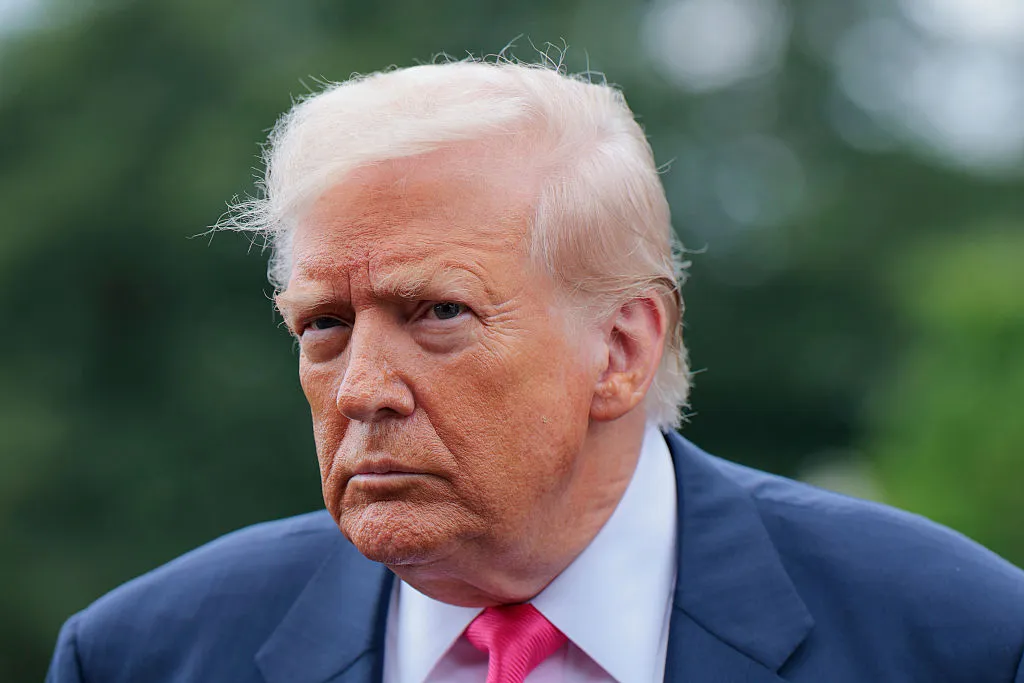
Image Credits:Anna Moneymaker / Getty Images
President Trump Directs Federal Agencies to Cease Use of Anthropic Products
In a recent post on Truth Social, President Trump announced an immediate halt to the use of all Anthropic products by federal agencies. This decision followed a public disagreement between Anthropic, an artificial intelligence company, and the Department of Defense (DoD). The president granted a six-month phase-out period for departments still utilizing Anthropic’s technology but made it clear that the company would no longer be permitted to act as a federal contractor.
A Firm Stance from the President
In his post, President Trump was unequivocal: “We don’t need it, we don’t want it, and will not do business with them again.” While he did not mention plans to classify Anthropic as a supply chain risk—previously suggested as a potential consequence—Secretary of Defense Pete Hegseth confirmed this risk designation in a subsequent tweet.
Secretary Hegseth’s Directive
Hegseth elaborated on the implications of Trump’s directive, stating, “In conjunction with the President’s directive for the Federal Government to cease all use of Anthropic’s technology, I am directing the Department of War to designate Anthropic a Supply-Chain Risk to National Security.” Effective immediately, he declared that no contractors, suppliers, or partners working with the military could conduct any business with Anthropic.
The Heart of the Controversy
The conflict between Anthropic and the Pentagon arises from the company’s refusal to allow its AI models to be employed for mass domestic surveillance or fully autonomous weaponry—terms that Secretary Hegseth described as overly restrictive. In a public response, Anthropic CEO Dario Amodei stood firm on these issues, rejecting any compromise.
“Our strong preference is to continue to serve the Department and our warfighters—with our two requested safeguards in place,” Amodei noted. He further stated that if the Department decided to sever ties with Anthropic, the company would work to ensure a seamless transition to another provider to prevent any disruptions in critical military missions.
OpenAI Supports Anthropic’s Position
In a notable show of solidarity, OpenAI expressed support for Anthropic’s decision. According to a report by the BBC, CEO Sam Altman informed his staff in a memo that he shared similar “red lines.” Altman underscored that OpenAI’s contractual obligations with the defense sector would also reject uses deemed “unlawful or unsuited to cloud deployments, such as domestic surveillance and autonomous offensive weapons.”
OpenAI co-founder Ilya Sutskever, who previously had a public falling out with Altman and founded another AI venture, also contributed to the conversation. On social media platform X, he commented, “It’s extremely good that Anthropic has not backed down, and it’s significant that OpenAI has taken a similar stance.” He emphasized the importance of unity among competitors during such challenging situations.
Background on Defense Contracts
Last July, Anthropic, OpenAI, and Google were each awarded contracts by the U.S. Defense Department. While some employees at Google have voiced their support for Anthropic, neither Google nor its parent company has commented publicly on the ongoing situation.
Implications for the AI Industry
The fallout from the Anthropic-DoD dispute highlights significant tensions in the AI landscape, particularly concerning ethical considerations tied to national security. This scenario serves as a case study for other tech companies navigating similar dilemmas, weighing the demands of government contracts against their ethical guidelines.
The Future of AI Collaborations
This conflict raises critical questions about how technology companies should handle government contracts, particularly in the defense sector. Leaders in the AI space must be prepared for more challenging situations that test their ethical boundaries. As companies like Anthropic and OpenAI stand firm on their convictions, it remains to be seen how these positions will impact future collaborations and advancements in artificial intelligence.
Conclusion
President Trump’s directive to discontinue the use of Anthropic products signals a pivotal moment in the relationship between tech companies and government entities. With growing scrutiny on the ethical uses of AI and the implications for national security, the outcome of this dispute could set important precedents for the future of AI in defense and surveillance. As the situation develops, it will undoubtedly continue to provoke debate over the role of technology in society and ethical business practices in the era of rapid technological advancement.
Thanks for reading. Please let us know your thoughts and ideas in the comment section down below.
Source link
#Pentagon #moves #designate #Anthropic #supplychain #risk
About The Author