
AI-Generated Actors and Scripts No Longer Eligible for Oscars
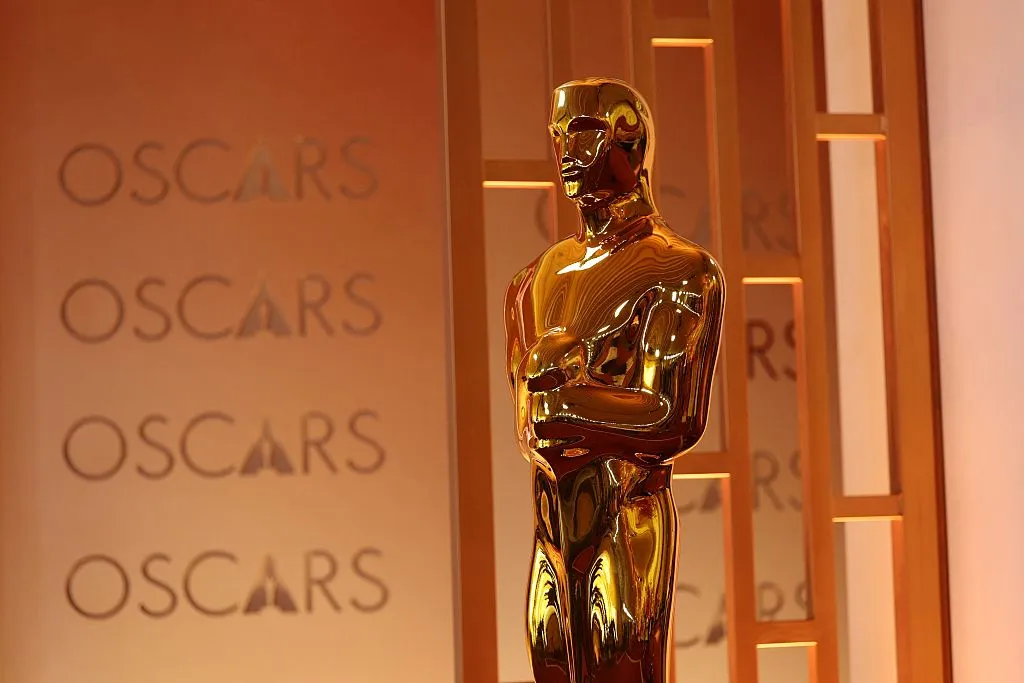
Image Credits:Angela Weiss / Getty Images
Academy Awards Introduce New Rules Addressing Generative AI
The Academy of Motion Picture Arts and Sciences has unveiled significant updates to the Oscar eligibility criteria, particularly focusing on the rising influence of generative artificial intelligence (AI) in the film industry. These changes reflect a growing concern about the implications of AI technologies on creative work and the competition for prestigious accolades.
New Oscar Eligibility Criteria
The recently announced rules stipulate that only performances that are “credited in the film’s legal billing and demonstrably performed by humans with their consent” can be considered for Academy Awards. Similarly, for screenplays to qualify for an Oscar, they must be “human-authored.” This clear stance affirms the Academy’s commitment to traditional artistic values while addressing emerging technological trends.
The Academy also retains the right to request additional information regarding a film’s use of AI and its reliance on “human authorship.” This move indicates a proactive approach to ensure transparency in the creative process and maintain the integrity of artistic contributions recognized by the Oscars.
The Context of AI in Filmmaking
The introduction of these new rules comes in the wake of notable developments in the film industry involving AI technologies. An independent film currently underway features an AI-generated version of actor Val Kilmer, showcasing the innovative yet controversial use of digital avatars in cinema. Additionally, the AI “actress” Tilly Norwood has sparked discussions and debates, further drawing attention to how AI is reshaping the landscape of performance art.
The rise of advanced video models has prompted numerous filmmakers to voice their concerns, with many describing a sense of dismay about the potential impact of AI on the industry’s creative future. Notably, AI was a critical factor in the discussions during the actors’ and writers’ strikes in 2023, highlighting the urgency with which individuals in the industry are addressing these technological advancements.
Implications Beyond Hollywood
The controversy surrounding AI is not confined to Hollywood; its influence extends into the literary world as well. In a notable incident, a publisher retracted a novel due to the author’s alleged use of AI tools in its creation. This incident signifies a broader reevaluation of originality and authenticity in literary works, inspired by the same concerns permeating the film industry.
Moreover, various writers’ organizations are asserting that any work produced with the assistance of AI should be deemed ineligible for literary awards. This trend denotes a collective stance towards preserving traditional authorship and the intrinsic value of human creativity, reflecting a wider cultural dialogue regarding the role of AI in artistic fields.
The Future of AI in the Creative Industries
As the Academy takes a stand on these matters, industry stakeholders from both film and literature are left to grapple with the implications of AI technology. While some view AI as a powerful tool that can augment artistic workflows, others worry about its potential to undermine human creators.
The debate surrounding AI’s influence is poised to continue, especially as advancements in technology lead to more complex generative models capable of producing convincing art. The balance between leveraging these tools for creative expression and safeguarding the fundamental essence of artistry appears to be the central challenge of our time.
Conclusion
The Academy of Motion Picture Arts and Sciences’ new rules regarding generative AI mark a pivotal moment in how the film industry approaches technological innovations. By establishing clear criteria for performance and authorship, the Academy is not only protecting the integrity of artistic endeavors but also setting a precedent for other creative sectors facing similar challenges.
As writers, filmmakers, and audiences continue to navigate the evolving landscape of art and technology, the emphasis on human creativity and authorship becomes even more vital. The future of artistic recognition will likely depend on finding innovative ways to integrate new technologies while preserving the unique contributions that only human creators can offer.
As the conversation surrounding AI progresses, both the film and literary communities must remain vigilant and adaptive, ensuring that the core principles of creativity endure amid changing circumstances.
Thanks for reading. Please let us know your thoughts and ideas in the comment section down below.
Source link
#AIgenerated #actors #scripts #ineligible #Oscars
About The Author