

Amazon to cease onboarding new customers for Mechanical Turk.
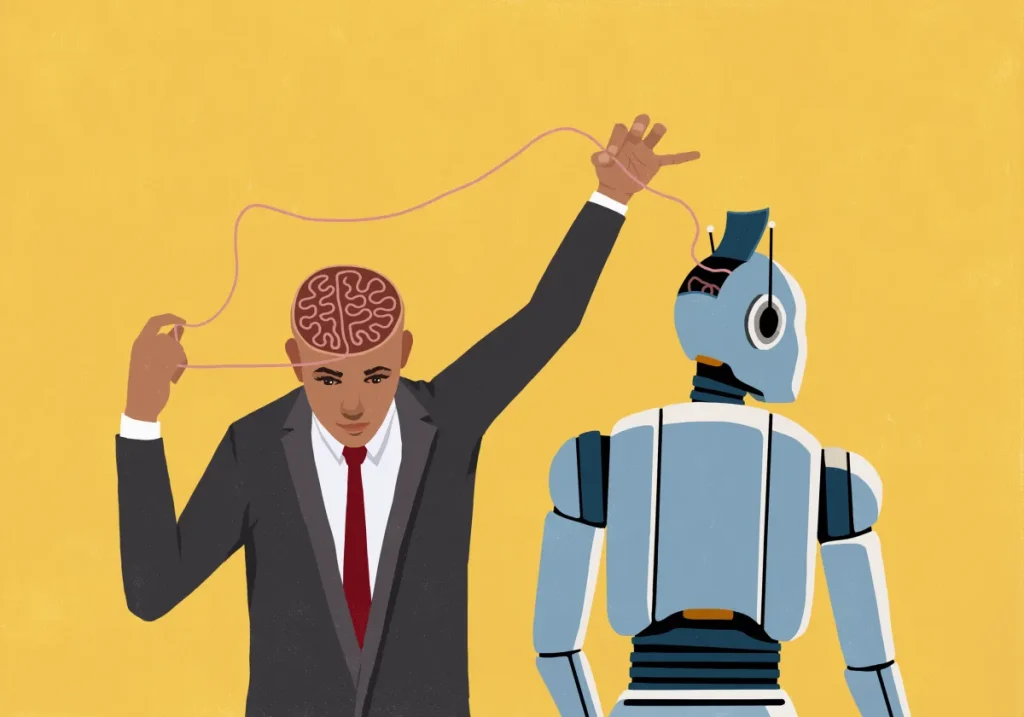
Image Credits:Malte Mueller / Getty Images
The End of an Era: The Imminent Closure of Amazon’s Mechanical Turk
Amazon’s Mechanical Turk, a pioneer in crowdsourcing, is set to undergo significant changes that could signal its decline. According to an official announcement on the Mechanical Turk website, from July 30, 2026, the service will no longer welcome new customers. Amazon Web Services (AWS) has stated the decision followed “careful consideration,” emphasizing that while existing users can continue to use the platform as usual, there are no plans to introduce new features, although AWS will continue to focus on security and availability improvements.
A Brief History of Mechanical Turk
Launched in 2005, Mechanical Turk offered a marketplace for individuals to earn small sums by completing straightforward tasks often resistant to automation. These tasks ranged from CAPTCHA completion and sentiment analysis to data categorization. In its prime, the platform sparked discussions around the ethics of crowdsourced labor and was even implicated, albeit tangentially, in the early fallout of the Facebook-Cambridge Analytica scandal.
Evolution into AI and Data Annotation
Starting in 2018, Amazon rebranded Mechanical Turk as a tool for companies to annotate data for training neural networks, integrating it as part of its SageMaker AI service. This pivot to AI capabilities positioned Mechanical Turk as a crucial, albeit understated, player in the burgeoning field of artificial intelligence.
However, the service has been criticized for enabling a “fake-it-till-you-make-it” approach to AI development. Many products marketed as advanced AI solutions actually depended on the Mechanical Turk workforce, leading to a kind of modern-day ruse. Ironically, the service’s original namesake—a deceptive chess-playing automaton—mirrored this aspect of its operations.
The Complicated Relationship with AI Models
The landscape of Mechanical Turk grew increasingly complex over the years. A 2023 analysis revealed that a significant portion of the platform’s workers—estimated between 33% and 46%—were using large language models to assist with their tasks. This raises serious questions about the reliability of data generated on the platform and whether human intervention is genuinely necessary.
Community Reactions and Predictions for the Future
In light of Amazon’s recent announcement, reactions from the community provide a sobering view of Mechanical Turk’s state. A Reddit user remarked that the platform may have effectively “died years ago,” as many workers and researchers have turned their backs on it in favor of more reliable and efficient alternatives. With rampant issues of bots and fraud plaguing the platform, the user speculated that internal decisions at Amazon would ultimately lead to the cessation of Mechanical Turk’s operations altogether.
As we approach the closure date for new customers, it becomes increasingly clear that Mechanical Turk is not merely transitioning but rather exists on life support. While Amazon has confirmed it will maintain the service for existing users, the lack of new features and the gradual decline in user engagement casts serious doubt on the platform’s longevity.
Ethical Implications of Crowdsourced Labor
The history of Mechanical Turk is fraught with ethical dilemmas. While it provided opportunities for many to earn supplemental income, concerns have arisen about the treatment of workers, the quality control of tasks, and the overall viability of crowdsourced labor as a sustainable model. Discussions surrounding pay equity, working conditions, and the power dynamics between platform owners and workers give rise to broader implications for the future of gig economy platforms.
The Future of Crowdsourcing and AI
As Mechanical Turk approaches a crossroads, the discourse on crowdsourcing and AI will undoubtedly evolve. If the service does shut down entirely, it could pave the way for new models of crowdsourcing that prioritize worker rights and automate processes more effectively. Alternatively, some may seek to fill the void that Mechanical Turk leaves behind, perhaps offering better payment structures or ethical labor practices.
The impending changes at Mechanical Turk represent both a cautionary tale and an opportunity. The challenges faced by the platform can inform future innovations in crowdsourced labor and AI development, hopefully leading to more equitable practices that address the pitfalls of the current models.
Conclusion
In summary, although Amazon’s Mechanical Turk remains operational for existing users, its decision to cease onboarding new customers by July 2026 instills a sense of finality. The platform’s historical significance and its intricate connection to the development of AI cannot be overstated, yet its future remains uncertain. As the community reflects on its decline, it also contemplates what the next chapter of crowdsourced labor and artificial intelligence might look like, free from the constraints and controversies that have shadowed Mechanical Turk.
The dialogue around ethical labor and sustainable business models will continue, reminding us that innovation in technology must be matched by considerations of fairness and accountability. Whether Mechanical Turk will fade into obscurity or spark a new era of ethical crowdsourcing remains to be seen; however, its legacy will undoubtedly inform the future landscape of digital labor and artificial intelligence.
Thanks for reading. Please let us know your thoughts and ideas in the comment section down below.
Source link
#Amazon #stop #accepting #customers #Mechanical #Turk
About The Author