
Apple files lawsuit against OpenAI for purported misappropriation of trade secrets.
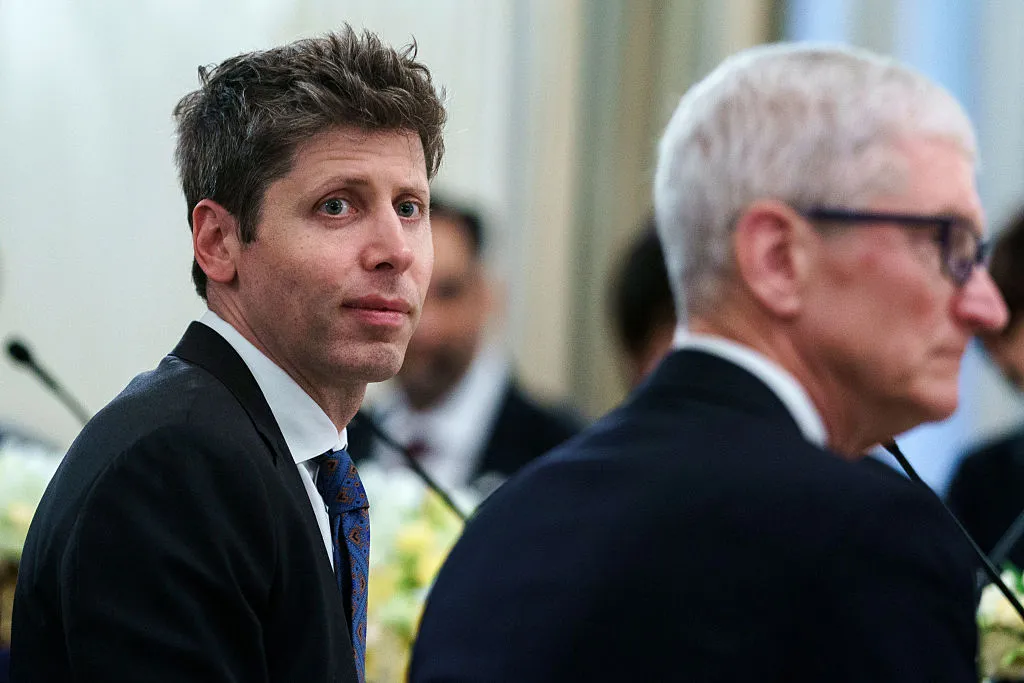
Image Credits:Bloomberg / Contributor (opens in a new window) / Getty Images
Apple Files Lawsuit Against OpenAI for Trade Secret Theft
On Friday, Apple initiated legal action against OpenAI, alleging trade secret theft and breach of contract. The lawsuit, filed in the U.S. District Court for the Northern District of California, points to a troubling pattern of misconduct involving former Apple employees now working at OpenAI, accusing senior leadership at the AI company of orchestrating these breaches.
Key Accusations Against OpenAI
The claims center around Tang Tan, OpenAI’s Chief Hardware Officer and a former Apple executive with a 24-year tenure at the company. Apple accuses Tan of utilizing Apple’s confidential project code names during recruitment, prompting job candidates to bring Apple hardware components to their interviews, and coaching departing Apple employees on avoiding company security measures. Furthermore, Tan allegedly sought information about Apple’s unreleased products.
Apple’s suspicions are heightened as OpenAI is rumored to be developing its first hardware product, which industry analysts suggest could rival the iPhone. Ming-Chi Kuo estimated that this device may function as a smartphone relying on AI agents rather than traditional applications, posing a significant competitive threat to Apple’s established hardware ecosystem.
Connections to Jony Ive’s Startup
The lawsuit also touches on the acquisition of io, a device startup founded by Apple’s former lead designer Jony Ive, which OpenAI purchased for $6.5 billion last year to bolster its hardware initiatives. While Io is mentioned in the lawsuit, Jony Ive himself is not directly implicated.
Additional Allegations of Impropriety
Apple’s complaint extends beyond Tang Tan, also implicating Chang Liu—who worked at Apple as a senior systems electrical engineer for eight years. Liu is accused of failing to return an Apple-issued laptop after his departure for OpenAI, allegedly using the device to download confidential Apple technical documentation. The lawsuit claims that Liu shared this sensitive information with other former Apple employees, providing them advice on how to succeed in job interviews with OpenAI.
Lack of Response from OpenAI
In February, Apple reached out to OpenAI to express its concerns regarding these allegations but reported that the company did not respond. This lack of engagement intensified Apple’s worries about an organized strategy within OpenAI to extract proprietary information from Apple.
Conduct During Recruitment
Apple asserts that the behavior of former employees aligns with a broader strategy at OpenAI to extract Apple’s confidential insights. For instance, during the recruitment process, applicants were allegedly encouraged to bring design prototypes and answer questions related to component selection processes.
Findings from Ongoing Investigation
An ongoing investigation by Apple reportedly uncovered that OpenAI has misappropriated confidential information while developing its hardware products. A specific reference made in the filing discusses a proprietary metal finishing technique purportedly used by OpenAI after deceiving a partner into believing that Apple had granted permission for its use.
Apple’s Approach to Investigating Trade Secret Theft
In addressing potential trade secret theft, Apple typically examines communications on company-owned devices and scrutinizes server logs. By pursuing legal action, Apple hopes to gain further insights into the scope of the alleged misappropriation through the discovery process.
Legal Demands from Apple
Apple seeks a court order to prohibit OpenAI from using or disclosing its trade secrets. Additionally, the company is asking for the return of any confidential materials and for evidence pertinent to the case to be preserved.
Statements from Apple
In an official statement, Apple emphasized its commitment to developing innovative technologies and protecting intellectual property. The company noted, “Recently, significant evidence has emerged suggesting individuals employed by OpenAI wrongfully took Apple’s secret and confidential information regarding our unreleased technologies, processes, and products. We will always defend our teams’ hard work and innovations, and we are taking all appropriate steps to do so.”
Implications of the Lawsuit
The lawsuit paints a picture of a concerning environment at OpenAI, suggesting that misconduct may be ingrained in the company culture, particularly among its leadership. The outcome of this case could have significant repercussions for both companies, especially if OpenAI’s planned hardware initiatives are indeed built upon unlawfully obtained trade secrets.
Conclusion and Future Developments
As this story develops, observers are keenly watching how both companies will respond and what potential legal ramifications may ensue. Apple’s decision to take this issue to court may not only highlight the importance of intellectual property protection but also set precedents for how tech companies navigate competitive landscapes.
For those interested in the full legal filing, it is available for public review, unveiling further specifics regarding Apple’s allegations against OpenAI. The situation remains fluid, and further updates are expected as more details become available in the ongoing legal proceedings.
The lawsuit serves as a stark reminder of the complexities surrounding intellectual property in the fast-paced tech industry.
Thanks for reading. Please let us know your thoughts and ideas in the comment section down below.
Source link
#Apple #sues #OpenAI #alleged #trade #secret #theft
About The Author