

Barry Diller trusts Sam Altman, but calls trust ‘irrelevant’ as AGI approaches.
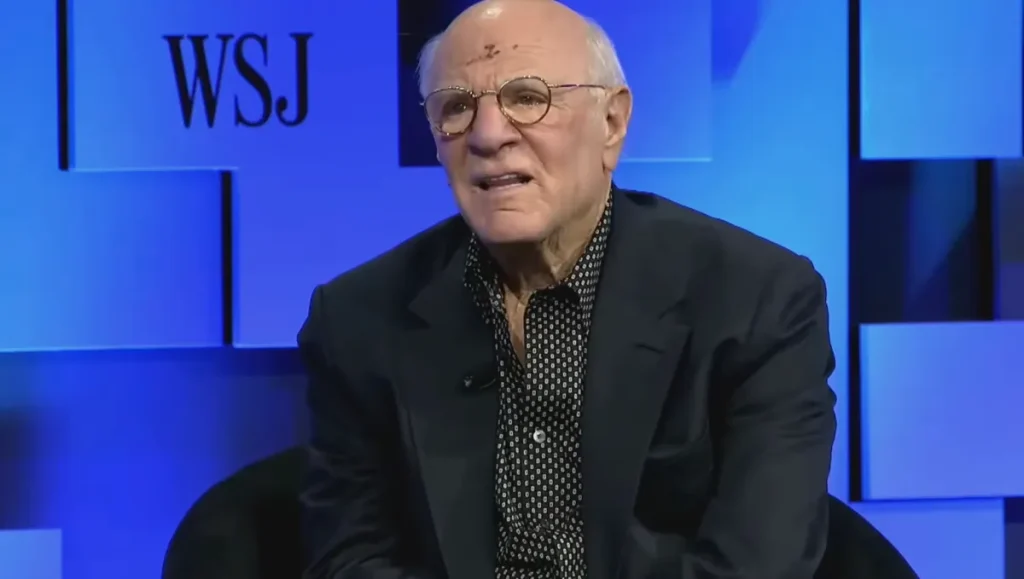
Image Credits:WSJ's Future of Everything event (opens in a new window)
Barry Diller Defends Sam Altman Amidst AI Trust Concerns
Billionaire media titan Barry Diller has come to the defense of OpenAI CEO Sam Altman, rejecting claims that he is untrustworthy. This statement comes in light of recent accusations from former colleagues and board members who have characterized Altman as manipulative and deceptive. Speaking at The Wall Street Journal’s “Future of Everything” conference, Diller expressed his support for Altman, emphasizing the need to focus on broader issues regarding AI rather than personal trustworthiness.
Diller’s Perspective on Trust and AI
During the conference discussion, Diller addressed a critical question: should society place its trust in Altman to shape artificial intelligence in a way that benefits humanity? Specifically, he was asked about the implications of artificial general intelligence (AGI)—a concept referring to machines that could eventually outstrip human capabilities in virtually every task.
Diller, who is not only a media executive but also a co-founder of Fox Broadcasting and chairman of IAC and Expedia Group, stated that while he views Altman as earnest in his mission, the true concerns surrounding AI extend far beyond individual integrity. “One of the big issues with AI is it goes way beyond trust,” he remarked. He posited that trust could become irrelevant, suggesting that the unexpected consequences of AI development could surprise even those creating it.
The Great Unknowns of AI
Diller alluded to his extensive discussions with various AI creators, noting their own sense of wonder and uncertainty. “It’s the great unknown. We don’t know. They don’t know,” he remarked, underscoring the unpredictable nature of AI advancements.
This perspective raises critical issues about the future of technology that will inevitably transform our lives. Diller indicated that the magnitude of these changes is not being sufficiently reported. “We have embarked on something that is going to change almost everything,” he stated. Although he expressed indifference towards the eventual success of massive investments in AI, he firmly believes that significant progress is on the horizon.
Leaders in AI: Good Stewards or Not?
While supporting Altman as a decent individual with strong values, Diller did not delve into specifics regarding which AI leaders might be untrustworthy. “Most of the people leading the charge are good stewards,” he maintained. Nevertheless, Diller emphasized that the issue at hand transcends leadership qualities—it’s fundamentally about navigating the uncertain implications of AGI.
As we inch closer to the realization of such advanced technologies, concerns about their consequences become increasingly pressing. “They don’t know what can happen once you get AGI, and we’re close to it,” Diller noted. He cautioned that while humanity isn’t at that threshold yet, technological advances are occurring at a rapid pace.
The Importance of Guardrails
Diller emphasized the critical need for “guardrails” in AI development. He believes that without proactive measures to manage the unforeseen consequences of AGI, humanity risks losing control over the technology. “If we don’t think about guardrails, the alternative is that another force, an AGI force, will do it themselves,” he warned. This forewarning reveals the gravity of the situation; once AI reaches a certain level of advancement, reversing its influence may no longer be feasible.
Conclusion: A Call to Action
Barry Diller’s insights serve as a reminder that the discussions around AI and its leaders should pivot from emotional judgments about trust to more pressing existential questions about the technology itself. While he believes in Altman’s sincerity and leadership, Diller’s focus on the broader implications of AI urges society to consider how to ensure it serves humanity well.
The dialogue around artificial intelligence is complex and multifaceted, requiring all stakeholders—developers, policymakers, and the general public—to engage thoughtfully. As we continue to explore the realm of AGI, conversations around ethics and regulation will be critical in shaping a future where AI can thrive responsibly.
Ultimately, Diller’s perspective not only highlights the essence of trust in leadership but also emphasizes the necessity for vigilance and foresight in an unpredictable technological landscape. The future of AI isn’t just about who we trust; it’s about how we navigate the journey ahead and the measures we put in place to safeguard that future.
Thanks for reading. Please let us know your thoughts and ideas in the comment section down below.
Source link
#Barry #Diller #trusts #Sam #Altman #trust #irrelevant #AGI #nears
About The Author