

Can Chips Thrive in Space — What About Their Funding?
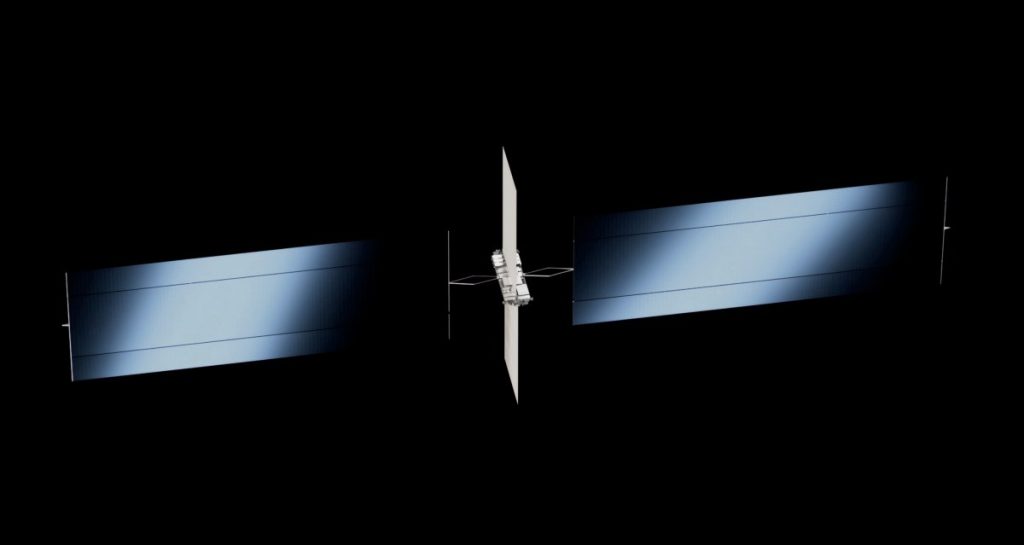
Image Credits:SpaceX
The Challenges of Financing Space-Based Data Centers
The ambition to establish data centers in space is promising yet beset by various hurdles, from complex engineering challenges to a limited supply of rockets capable of transporting chips to orbit. One pressing question remains: How will these chips be funded?
Current Financing Models for Data Centers
At present, the data center sector typically relies on debt financing, where cloud service providers take out loans to fund the construction of data centers, subsequently repaying those loans by sharing a portion of their revenue. In this structure, the chips themselves often serve as collateral. If a data center defaults on its debt, lenders can reclaim the chips and resell them, thus providing a safety net that eases the financial burden for companies acquiring these critical components. Even older chips maintain a degree of value — for instance, some H100 models are currently selling for about 50% of their original price from 2023, while certain configurations of the H200 remain at their initial price point from 2024.
The Complexity of Space-Based Assets
However, the logistics change dramatically when it comes to chips installed in satellites orbiting 300 miles above Earth at speeds of 17,500 miles per hour. The Financial Times recently reported that lenders involved in SpaceX’s substantial $40 billion financing deal for chips stipulated that none of the purchased chips could be utilized for the company’s orbital data center initiatives. It remains uncertain whether SpaceX acquiesced to this condition.
In the short run, this may not be a significant concern for SpaceX. The company has demonstrated its capacity to profit from deploying computational resources at ground stations. In its latest earnings call, CEO Elon Musk emphasized how the company is deploying engineers from its rocket division to expedite this build-out by tackling manufacturing challenges, such as casting turbine blades for generators more quickly than current suppliers.
Local Challenges and Market Dynamics
Despite these advancements, substantial uncertainty looms regarding the feasibility of obtaining land and power sources necessary for constructing these data centers. Numerous projects face potential delays and local resistance, and the market is cautious, awaiting signals regarding compute demand and the ability of purchasers to translate that demand into revenue.
Elon Musk has stated, beginning in early 2026, that he envisions space will eventually become the most cost-effective location for operating data centers within two to three years. However, this projection hinges on SpaceX’s ability to operate its Starship rocket in a fully reusable format. In its latest test flight, the company successfully landed the orbital stage back at its launch facility in Texas but did not recover the booster stage. The timeline for the second stage’s next flight and the costs involved in making it ready for another trip remain unclear.
Economic Challenges for Space-Based Data Centers
Even with advancements like Starship, SpaceX and other startups pursuing space data centers, including StarCloud, Cowboy Space Corporation, and Sophia Space, will face heightened expenses in acquiring the necessary chips. The already complicated economics surrounding space data centers may be exacerbated by the expected increased costs relative to their terrestrial counterparts.
This scenario could potentially create an advantage for companies like Google. Google is actively working on deploying its own Tensor Processing Unit (TPU) chips in space through Project Suncatcher. Meanwhile, SpaceX and Tesla are collaborating to develop a domestic chip foundry called Terafab. However, this endeavor has not yet commenced construction and will demand years and substantial investment before it can produce semiconductors at scale.
Conclusion: The Future of Space Data Centers
As the quest for space-based data centers unfolds, the intricate relationship between financing, engineering challenges, and market dynamics becomes evident. The reliance on borrowed funds based on tangible assets creates unique complications in the context of space operations. While companies like SpaceX push the envelope in technology and infrastructure, the viability of space data centers will also depend on innovative financial solutions and the ability to navigate local challenges.
With lofty ambitions notwithstanding, it is critical for stakeholders to remain informed and adaptive as the future landscape of data centers in space continues to evolve. Time will reveal both the potential and the pitfalls of this astute intersection of technology, finance, and exploration.
Thanks for reading. Please let us know your thoughts and ideas in the comment section down below.
Source link
#Chips #survive #space #environment #financing
About The Author