

Hyperscalers may face consequences for relying on natural gas if forecasts change.
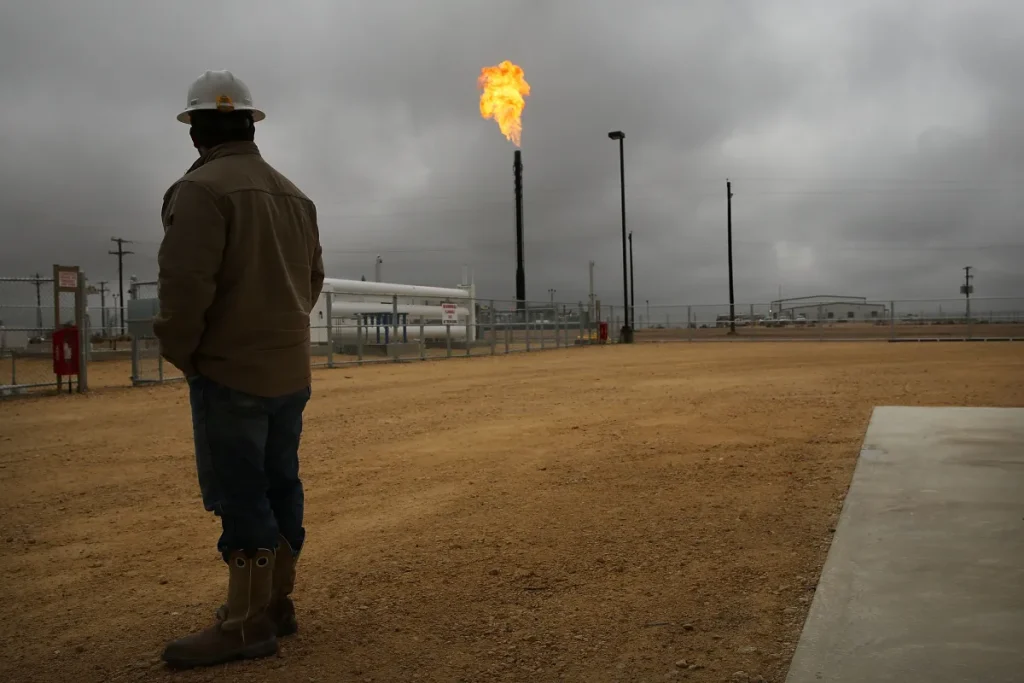
Image Credits:Spencer Platt / Getty Images
The Hyperscalers’ Shift to Natural Gas: A Double-Edged Sword
After years of focusing on renewable energy sources like wind and solar, major tech companies known as hyperscalers—Amazon, Google, Meta, and Microsoft—are now turning to natural gas as a key power source for their ambitious AI data centers. However, recent research reveals that this newfound reliance on fossil fuels could lead to regret.
Rising Concerns Over Natural Gas Prices
According to Noreva, an energy research firm, natural gas prices in certain regions of the U.S. could triple in the coming years. This forecast is based on the increasing demand from hyperscalers, juxtaposed with declining supply growth and the rising exports of liquefied natural gas. There are fears that these companies may not be adequately prepared for upcoming price shocks.
Peter Gardett, CEO of Noreva, notes a concerning trend in the energy market, stating, “Everyone seems to have been lulled into a false sense of security about gas prices remaining low.” He emphasizes that simple arithmetic indicates a much tighter natural gas market compared to just a few years ago.
Hyperscalers Make Significant Investments
Historically, hyperscalers have been cautious about large capital expenditures. However, the allure of cheap natural gas has spurred significant investments in energy infrastructure. Notably, Meta has announced plans for a massive 7.5-gigawatt natural gas power plant in Louisiana for its Hyperion data center. Following suit, Microsoft and Google have committed to building their own gigawatt-scale gas power plants in Texas, while Amazon plans a 7.6-gigawatt facility in the same state.
This shift marks a significant move for companies that traditionally focused on digital ventures, pushing them into unfamiliar territory within the energy market.
Unexpected Risks in the Energy Landscape
Investors are beginning to express concern regarding the extent of natural gas price risk that hyperscalers are willing to absorb. Gardett mentioned that he has spoken to investors who are surprised by these companies’ readiness to engage in high-risk strategies typically avoided by off-takers.
Noreva’s projections indicate that natural gas prices could soar above $10 per million BTUs in specific hubs—delivery points for futures contracts. Today, prices vary from approximately $2 to $4.50 per million BTUs, with the Henry Hub benchmark priced at just under $3.
It is essential to note that fuel costs represent about half of the total electricity expenses for large power plants. A potential doubling or tripling of natural gas prices could significantly increase the operational costs for “bring your own power” AI data centers. This situation could lead to higher token costs or compel hyperscalers to tie themselves more closely to the grid, which may further escalate electricity prices.
Stability in Natural Gas Prices—For Now
At present, natural gas prices show relative stability, and futures contracts are not projecting any drastic changes. Gardett acknowledges that betting on stability isn’t unreasonable, but he remains skeptical about the long-term implications of this belief.
Natural gas prices have remained steady due to a combination of stable demand and the continued addition of new supplies, balancing out declining output from aging wells. Gardett anticipates that while energy companies will manage to augment supplies, they won’t do so as rapidly as before, especially since new wells are becoming increasingly expensive.
Demand and Supply Dynamics
The connection between the domestic gas market and the global gas market is expanding, which could complicate the dynamics further. With hyperscalers drawn to states like Texas and Louisiana due to low natural gas prices, the energy landscape is evolving. Particularly in West Texas, where oil wells have traditionally dominated, the associated natural gas was often treated as a byproduct. However, the construction of pipelines toward export markets is beginning to change that.
“The pipeline infrastructure is finally being developed, which allows for more effective distribution and export,” Gardett explained. As regions become more interconnected with national and international markets, fluctuations in demand could significantly influence prices.
Potential Backlash Against Data Centers
Even if hyperscalers can bear the burden of rising costs, their escalating natural gas usage could spur a broader backlash against data centers. According to recent surveys, 80% of consumers worry about the financial impact that data centers have on their utility bills, predominantly due to electricity. This anxiety could extend to natural gas costs, especially as hyperscalers’ demands increase.
In their rush to power AI endeavors, hyperscalers are diving deeper into fossil fuel markets—an area where they have limited expertise. This newfound entanglement could have substantial repercussions for their business models.
Gardett uses a vivid analogy, predicting, “In future earnings calls, Alphabet will mention the correlation between natural gas pricing and Google’s revenue, which would be a peculiar but telling moment in their shift.”
Conclusion
The transition from renewable energy to natural gas reveals the intricate and often perilous balance that hyperscalers face as they pursue aggressive AI initiatives. While the immediate benefits of cheaper energy may appear favorable, the long-term implications of rising natural gas prices and shifting consumer sentiment could pose significant challenges. As these companies navigate a rapidly evolving energy landscape, their decisions today will undoubtedly shape their operational and financial futures for years to come.
Thanks for reading. Please let us know your thoughts and ideas in the comment section down below.
Source link
#Hyperscalers #regret #embracing #natural #gas #forecast #proves #correct
About The Author