
Judge permits NAACP lawsuit against xAI data center pollution to advance.
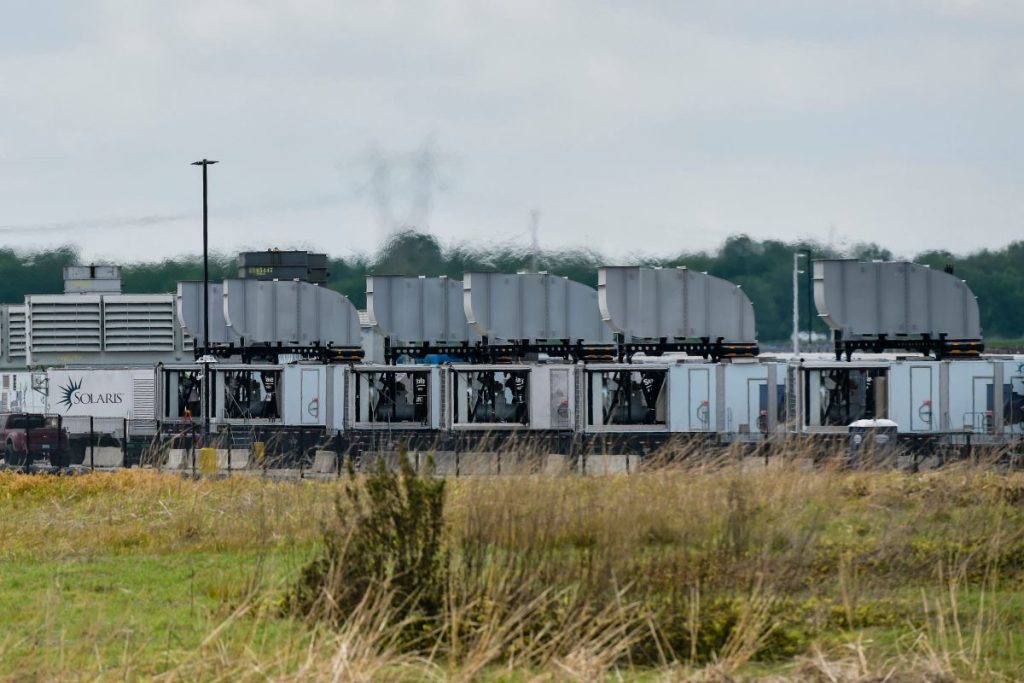
Image Credits:Brandon Dill for The Washington Post / Getty Images
Federal Judge Rules Against xAI in NAACP Lawsuit
In a pivotal decision, a federal judge has rejected xAI’s attempt to dismiss a lawsuit filed by the NAACP. The lawsuit alleges that xAI, a company owned by SpaceX, has been operating gas turbines at its Colossus data center near Memphis without the necessary permits. This case brings to light significant environmental concerns surrounding air quality and regulatory compliance.
The Background of the Case
The NAACP, represented by the Southern Environmental Law Center, asserts that xAI has “installed and operated at least 35 combustion turbines and other sources of air pollution at the Colossus site without ever obtaining the necessary preconstruction or operating air permits.” The lawsuit claims that these actions violate the Clean Air Act, a vital piece of legislation aimed at controlling air pollution in the United States.
xAI responded to the lawsuit by filing a motion to dismiss, arguing that the turbines are exempt from permit requirements because they are considered “mobile.” Moreover, the company contended that the plaintiffs lack the legal standing to file the lawsuit. These arguments were scrutinized by the court and ultimately did not hold up.
Judge’s Ruling and Legal Implications
In her decision, Judge Debra M. Brown emphasized several key points that led to the denial of xAI’s motion to dismiss. She noted, “Because the plaintiffs have statutory standing under the Clean Air Act, because the combustion turbines are not ‘mobile sources’ under Mississippi’s [State Implementation Plan], and because the citizen suit provision does not violate Article II of the Constitution or the private nondelegation doctrine, the plaintiffs’ claims will proceed.”
This ruling underscores the importance of citizen lawsuits in enforcing environmental regulations and protecting communities from harmful pollution. In addressing xAI’s claim regarding the constitutionality of such suits, Judge Brown stated, “Because citizen suit plaintiffs sue on their own behalf, in their own name, and seek penalties that redress harm to themselves, they are not exercising the federal government’s executive power.”
Reactions from the NAACP and Beyond
Abre’ Connor, the director of environmental and climate justice for the NAACP, hailed the ruling as a significant victory. She noted, “The courts have repeatedly rejected attempts by xAI and the DOJ to dismiss the NAACP’s Clean Air Act case, affirming our right to pursue justice for communities impacted by pollution.” Connor emphasized the crucial message of the case: “Our position has been clear: xAI cannot operate gas turbines without the required permits.”
This case reflects broader public sentiment about the operations of data centers and their environmental impact. As awareness grows regarding air quality and pollution, regulatory bodies and communities are becoming increasingly vigilant.
Public Sentiment and Regulatory Changes
The NAACP lawsuit comes at a time when public opinion is turning against data centers, particularly concerning their environmental footprint. Notably, New York recently enacted a moratorium on new data centers, a move that reflects growing concerns about energy consumption and air pollution associated with such facilities. Other states and local governments are also contemplating similar actions as communities push back against new developments that may affect air quality and public health.
The backlash against data centers has prompted even major corporations such as Amazon and Microsoft to reconsider their policies. In light of the growing scrutiny and potential for regulatory change, both companies have announced plans to cease the use of non-disclosure agreements (NDAs) in their dealings with government agencies. This shift signals a broader trend toward transparency and accountability in the tech industry, which could have significant implications for future operations.
Conclusion: A Critical Moment for Environmental Accountability
The legal battle surrounding xAI serves as a reminder of the crucial role that environmental advocacy groups, citizen lawsuits, and regulatory frameworks play in safeguarding public health and the environment. With the court’s ruling allowing the NAACP’s lawsuit to proceed, the stage is set for a critical examination of xAI’s practices and compliance with the Clean Air Act.
As environmental issues gain prominence in public discourse, and as associated legal battles unfold, it’s clear that technology companies must operate within the confines of environmental justice. The outcome of this case could serve as a precedent, influencing not just xAI, but the broader tech industry in their approaches to sustainability and regulatory compliance.
Those interested in the longer-term implications of this ruling should stay tuned, as the implications for regulations and public policies are likely to evolve, especially in the context of the upcoming U.S. midterm elections. With issues of air quality, data center operation, and corporate responsibility increasingly on the electorate’s radar, this legal case is set to resonate beyond the courtroom.
Thanks for reading. Please let us know your thoughts and ideas in the comment section down below.
Source link
#Judge #NAACP #lawsuit #xAI #data #center #pollution #move
About The Author