
Midjourney urges Hollywood studios to disclose their AI usage practices.
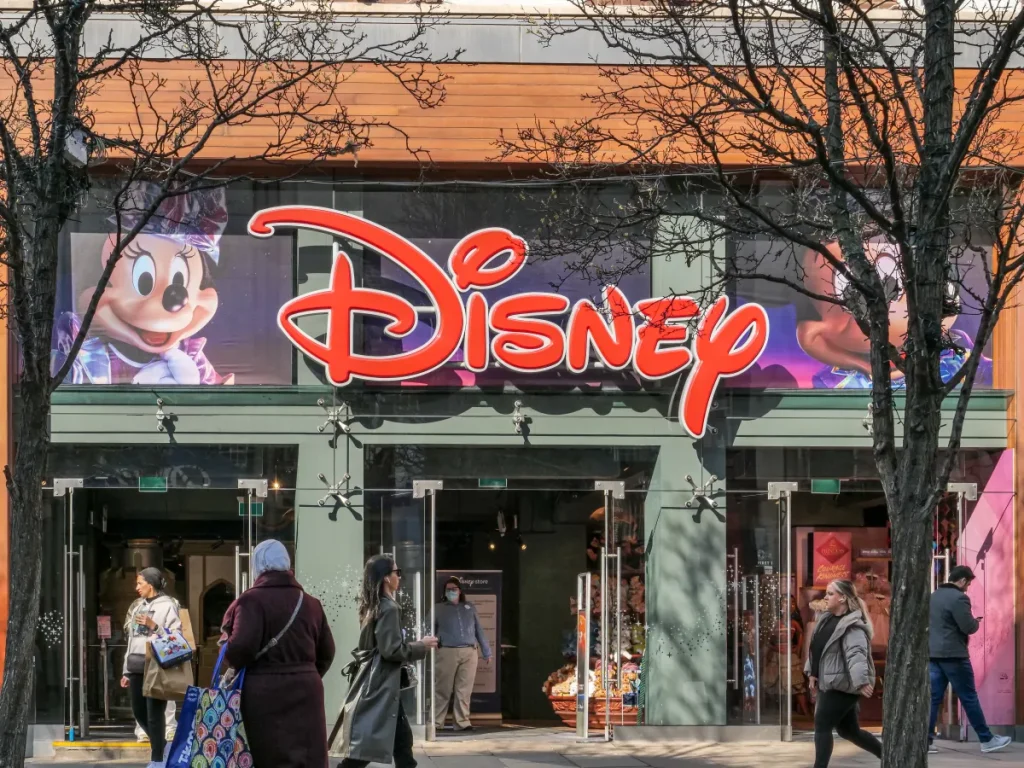
Image Credits:Yujie Chen / Getty Images
Legal Battle Between Midjourney and Hollywood Studios
AI startup Midjourney is embroiled in a significant legal dispute with three prominent Hollywood studios, including Disney, Universal, and Warner Bros. This conflict revolves around allegations of copyright infringement, with the studios claiming that Midjourney’s image-generation technology is capable of creating images of copyrighted characters, such as Bart Simpson and Darth Vader, owned by them.
Allegations of Copyright Infringement
In 2022, Disney and Universal initiated a lawsuit against Midjourney, claiming that the startup’s AI models infringe on their intellectual property rights. Following this, Warner Bros. also filed a lawsuit against the company, intensifying the conflict. The studios argue that Midjourney’s technology effectively copies their beloved characters, thereby violating copyright laws.
Fair Use Defense
In response to these allegations, Midjourney contends that the use of copyrighted characters for training its AI models falls under the doctrine of “fair use.” This legal principle allows for limited use of copyrighted material, typically for purposes such as criticism, comment, news reporting, teaching, scholarship, or research.
Discovery Process Dispute
A crucial aspect of this ongoing legal battle pertains to the discovery process, which involves the exchange of pertinent information between the parties. A judge previously ruled that the studios must produce information regarding their usage of generative AI technologies, but with a significant limitation. The information must relate only to consumer-facing videos and images, not encompassing the broader scope of the studios’ internal processes.
Midjourney’s Recent Filing
In its latest legal filing, Midjourney is seeking to challenge this restriction. The startup argues that the current ruling disproportionately favors the studios by allowing them to selectively disclose information that supports their claims of market harm, while withholding documents that could bolster Midjourney’s defense. According to Midjourney, access to these documents is essential to demonstrate whether the studios are engaging in similar practices regarding the training of AI models.
The Call for Transparency
Midjourney asserts that the studios may be developing their own image-generation AI for various internal purposes, such as storyboarding or content ideation for film and television projects. The startup emphasizes that such evidence would show that the use of unlicensed copyrighted content is a common industry practice, even among the very studios pursuing legal action against them.
Demands for Documentation
Additionally, Midjourney is requesting that the studios provide all prompts they have utilized within their systems, along with the resulting outputs. This demand seeks to go beyond merely identifying the prompts that led to alleged infringement; the aim is to gain comprehensive insights into how the studios interact with AI technologies.
Response from the Studios
In response to these demands, the lead attorney for the studios, David Singer, has characterized Midjourney’s pursuit of documentation as a “fishing expedition.” He argues that the studios are not attempting to eliminate AI technology or shut down Midjourney’s business operations. Instead, their goal is to prevent Midjourney from illegally reproducing their movies and television shows, while also halting the unauthorized distribution and public display of their iconic characters.
Industry Implications
The implications of this legal battle are profound. If Midjourney prevails, it could set a significant precedent for the AI industry, particularly concerning how startups utilize copyrighted material for training their models. Conversely, a ruling in favor of the studios may impose stricter limitations on AI development and usage, particularly in the creative fields.
Balancing Innovation and Intellectual Property Rights
This case underscores the ongoing struggle between innovation in AI technologies and the protection of intellectual property rights. As AI continues to evolve, the legal frameworks governing its use are also under scrutiny, necessitating a balance between fostering creativity and safeguarding the rights of content creators.
Conclusion
As Midjourney navigates this complex legal landscape, the outcomes of its various motions and the eventual court rulings promise to shape not only its future but also the broader implications for AI startups and the entertainment industry. The question of how AI interacts with established copyright laws remains a critical dialogue, one that will influence the future trajectory of both technology and creative expression.
This multi-faceted legal dispute is far from settled, and as the case continues to unfold, the stakes remain high not only for Midjourney but for the entire digital landscape. The outcome could redefine how generative AI is developed and utilized in creative sectors, ensuring that while innovation thrives, intellectual property rights are not left behind in the rapidly changing digital environment.
Thanks for reading. Please let us know your thoughts and ideas in the comment section down below.
Source link
#Midjourney #Hollywood #studios #reveal #details #usage
About The Author