

Musk’s xAI Faces Lawsuit Over Data Center Generators While Acquiring $2.8B More.
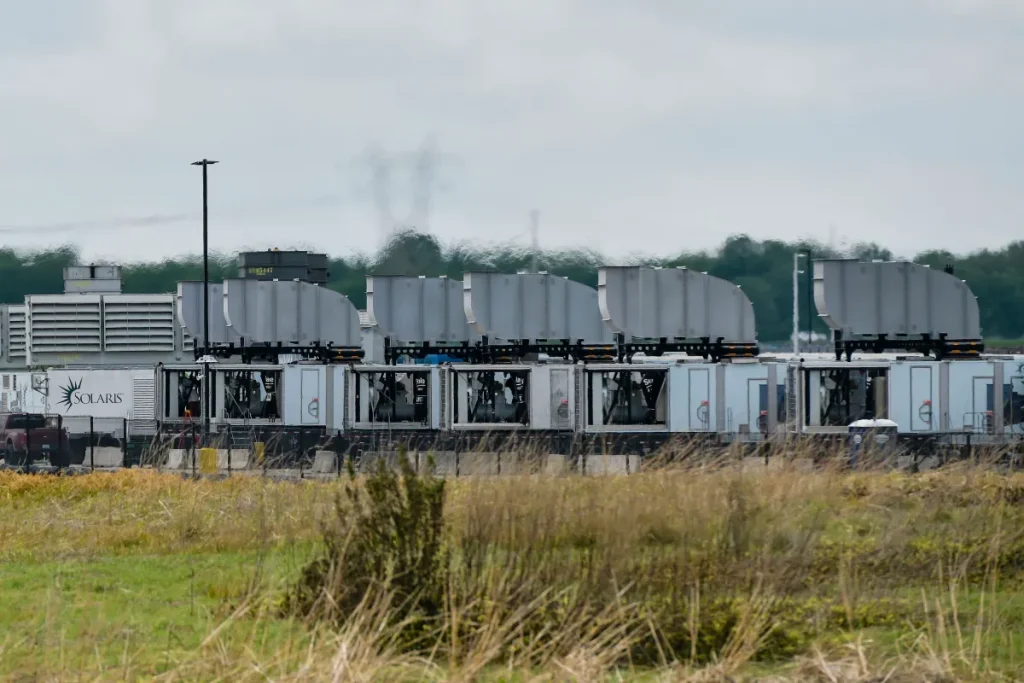
Image Credits:Brandon Dill for The Washington Post / Getty Images
Elon Musk’s xAI Faces Backlash Over Polluting Generators
Elon Musk’s xAI is under scrutiny for its use of polluting generators at its data center located near Memphis, Tennessee. The controversy escalated recently as the company announced plans to acquire even more of these generators, a move that has alarmed environmental advocates and community organizations.
New Purchases Amid Legal Challenges
In its IPO filing made public on Wednesday, SpaceX revealed that its xAI division intends to invest an additional $2.8 billion in turbines aimed at expanding its AI infrastructure over the next three years. Notably, a significant portion of this investment, around $2 billion, is earmarked specifically for “mobile gas turbines”—the very type of generators that have drawn legal action against the company.
Legal Action from the NAACP
Last month, the NAACP took a stand against xAI by filing a lawsuit concerning the operational status of dozens of unregulated gas turbines. The organization argues that these turbines contribute to poor air quality in an area already marked as one of the most polluted in the United States. They have sought a court injunction to halt the operation of these turbines while the lawsuit is pending. Presently, xAI has received permits for 15 turbines, yet reports indicate the company has been using as many as 46.
Environmental Impact of Turbines
The turbines that xAI is using are not without their environmental repercussions. Each turbine has the potential to emit over 2,000 tons of nitrogen oxides (NOx) annually, contributing to the formation of smog that aggravates respiratory issues like asthma. These emissions are particularly concerning given the existing air quality challenges in the region.
Regulatory Discrepancies
In a bid to circumvent regulations, xAI asserts that it can operate its turbines without permits for up to a year due to their classification as “mobile” generators. This classification stems from the fact that the turbines remain on the trailers they were shipped on. Mississippi’s state regulations appear to support this interpretation, suggesting that mobile generators do not require permits.
However, federal regulations paint a different picture. According to federal law, turbines of this size still fall under air pollution regulations, regardless of their mobile status. Earlier this year, the EPA concluded that xAI was operating these turbines in violation of federal laws, adding another layer of complexity to the situation.
SpaceX’s Acknowledgment of Risks
In light of these challenges, SpaceX openly acknowledged the risks associated with its reliance on natural gas and gas turbine technology in its IPO filing. The document indicated that any injunctions or revoked permits could significantly impact the operations of its AI business. This acknowledgment signals a recognition that the current legal disputes could hinder not only physical operations but also financial outcomes for the developing company.
Community Reaction
Local residents and advocacy groups are increasingly alarmed by xAI’s decisions. In a community already grappling with environmental concerns, the prospect of more gas turbines operating without stringent regulations raises serious questions about public health and safety. As organizations like the NAACP work to hold xAI accountable, the future of the company—and its data center operations—remains uncertain.
The Broader Implications
The situation surrounding xAI and its gas turbines is emblematic of a larger struggle between technological advancement and environmental responsibility. As companies expand their infrastructure to meet the growing demand for AI capabilities, the ecological costs of such growth must be weighed carefully. The use of polluting technologies in the quest for progress poses a dilemma that extends well beyond Elon Musk’s ventures; it touches upon global discussions regarding sustainable practices and corporate accountability.
Conclusion
As xAI moves forward with plans to buy more turbines, the question remains whether the company can find a path forward that balances its operational needs with the pressing environmental concerns of the communities in which it operates. Legal challenges and public scrutiny serve as reminders that rapid technological advancement should not come at the expense of public health and environmental integrity. The outcome of this situation could set a significant precedent, influencing how emerging technologies are integrated into society while prioritizing the welfare of the community and the environment.
Thanks for reading. Please let us know your thoughts and ideas in the comment section down below.
Source link
#Musks #xAI #sued #data #center #generators #buying #2.8B
About The Author