

Reasons Your Doctor Never Returns Your Calls
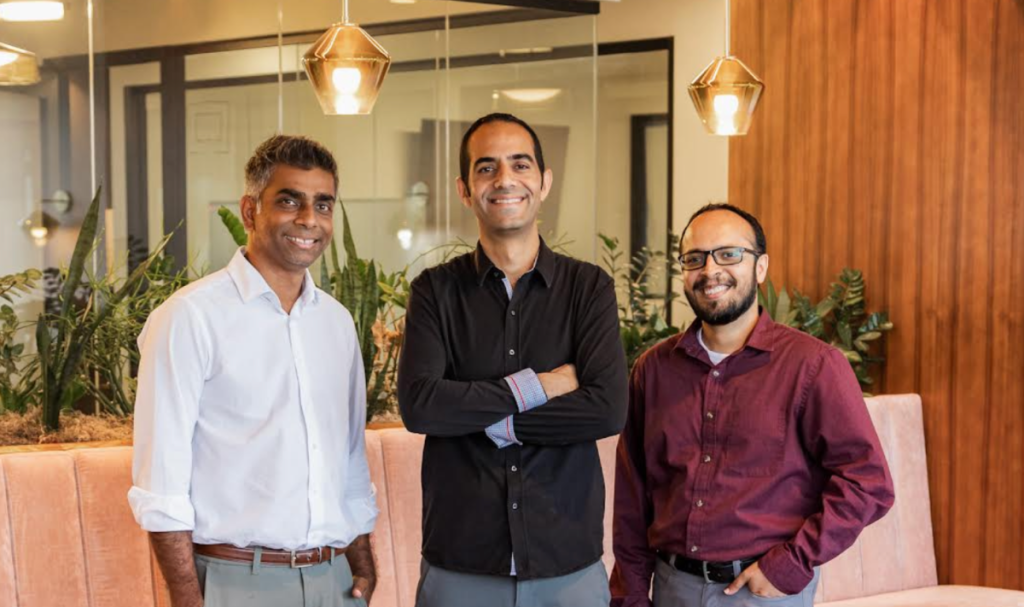
Image Credits:Basata /
The Untapped Potential of AI in Healthcare: Addressing Administrative Challenges
While much of the discourse on AI in healthcare tends to focus on breakthroughs in diagnostics, drug discovery, or enhancing doctor-patient interactions, a quieter but equally critical issue lingers beneath the surface. This hidden challenge significantly affects patient accessibility and revolves around the administrative work that occurs after a primary care doctor writes a referral. The complications arise from the cumbersome workflow that transitions a patient from referral to scheduled appointment, and this gap is garnering increasing attention from venture capitalists.
The Founders’ Personal Journeys
Kaled Alhanafi and Chetan Patel, co-founders of Basata, emerged from backgrounds rich in technological and medical experience. Alhanafi previously worked with Lyft and Cruise, while Patel spent a decade with Medtronic, developing cardiac devices. Their motivation to start Basata stemmed from personal experiences that highlighted the inefficiencies in the healthcare administrative system.
For Patel, the urgency was palpable when his wife fainted during a flight, requiring immediate medical attention. Despite his extensive knowledge of cardiology and its technologies, he found that navigating the bureaucratic hurdles delayed her access to care. “We have the best doctors and medicines available,” he notes, “but the gap in care is alarmingly wide.”
Alhanafi encountered a similar ordeal with his father, who faced a serious diagnosis requiring referrals to three different cardiology groups. To his dismay, only one of the practices returned a call within two weeks. Another responded only after the necessary surgery had taken place, while the last group never reached out. These scenarios are not isolated; many individuals have faced the same frustrations when trying to consult specialists.
The Administrative Bottleneck
Almost universally, specialty medical practices managing these referrals grapple with overflowing document workloads, often receiving hundreds or thousands of files—most via fax—handled by small administrative teams. This administrative congestion often results in lost patient opportunities not due to a lack of interest in providing care, but rather from a backlog that is simply insurmountable.
Introduction to Basata’s Solution
Founded two years ago in Phoenix, Basata aims to bridge this substantial gap. When a referral arrives, usually by fax, Basata’s technology processes the document, extracts crucial clinical information, and the system then dispatches an AI voice agent to directly contact the patient to schedule an appointment.
This innovative system also allows patients to interact with an AI agent at any time, capable of answering questions and handling common administrative tasks such as prescription refills. Alhanafi mentioned that feedback from patients reveals their surprise and satisfaction with the speed of contact following a referral, aiming for the ideal scenario where an appointment is confirmed by the time a patient arrives at their car after visiting the primary care doctor.
Strategic Specialization and Revenue Model
Basata’s model highlights a strategic approach to specialization, initially integrating with the electronic medical record systems specific to cardiology and, more recently, urology. This careful mapping avoids overextending to areas they do not fully understand. The company employs a usage-based revenue model, charging practices for each document processed and call managed rather than a fixed fee per seat. They’ve processed referrals for approximately 500,000 patients so far, with a notable 100,000 referrals occurring in just the last month.
Financial Backing and Market Competition
The company has raised $24.5 million in total, with a significant $21 million Series A funding led by Lan Xuezhao from Basis Set Ventures. Not only does this round reflect confidence in the technology, but it also positions Basata amidst a growing list of competitors. For instance, New York-based Tennr has garnered over $160 million in investments, focusing heavily on document intelligence and evaluating tens of millions of medical records. Assort Health, supported by industry giants like Lightspeed, concentrates on automating communication between patients and specialty practices, boasting a valuation of $750 million.
Lee notes that the extensive experience of Basata’s founders serves as an asset as the landscape becomes increasingly competitive. “When selling to medical practices, building trust is paramount,” she asserts. Physicians prefer to collaborate with individuals they can trust.
Unique Value Proposition
Basata sets itself apart by offering an integrated end-to-end workflow, streamlining multiple facets of administrative tasks tailored for specific medical specialties rather than merely introducing tools that address isolated problems. This cohesive approach could be challenging to maintain against financially robust competitors, but it aligns with market demands.
The Future of AI in Administrative Roles
As Basata proceeds, it will likely confront the broader question that many AI-driven companies face: when does automation enhance worker capabilities versus displacing them? For the moment, Alhanafi encourages the administrative staff they work with by emphasizing that their AI solutions are designed to ease their burdens rather than eliminate their roles. The administrative teams often possess decades of experience and are familiar with their incredibly intricate responsibilities, yet they frequently find themselves overwhelmed.
The ongoing discussion of whether AI merely expands human capacities or ultimately renders some roles obsolete extends into many industries beyond healthcare. Currently, Basata suggests a focus on enhancement: their technology frees up administrators from repetitive tasks, allowing them to excel in the remaining aspects of their positions. Given that 70% of new deals are reportedly secured through referrals, Basata’s value proposition appears to resonate with individuals closest to the issues at hand.
Conclusion
In conclusion, as AI continues to evolve within the healthcare sector, the potential for improved efficiencies in administrative processes can pave the way for better patient care. Basata is at the forefront of addressing long-standing challenges, aspiring to create a seamless bridge between referrals and specialist appointments. The journey is just beginning, but the emphasis on optimizing workflows holds promise for transforming how healthcare systems operate.
Thanks for reading. Please let us know your thoughts and ideas in the comment section down below.
Source link
#doctor #call
About The Author