
S&P Might Downgrade Nvidia’s Credit Due to Governance and Key Person Risks
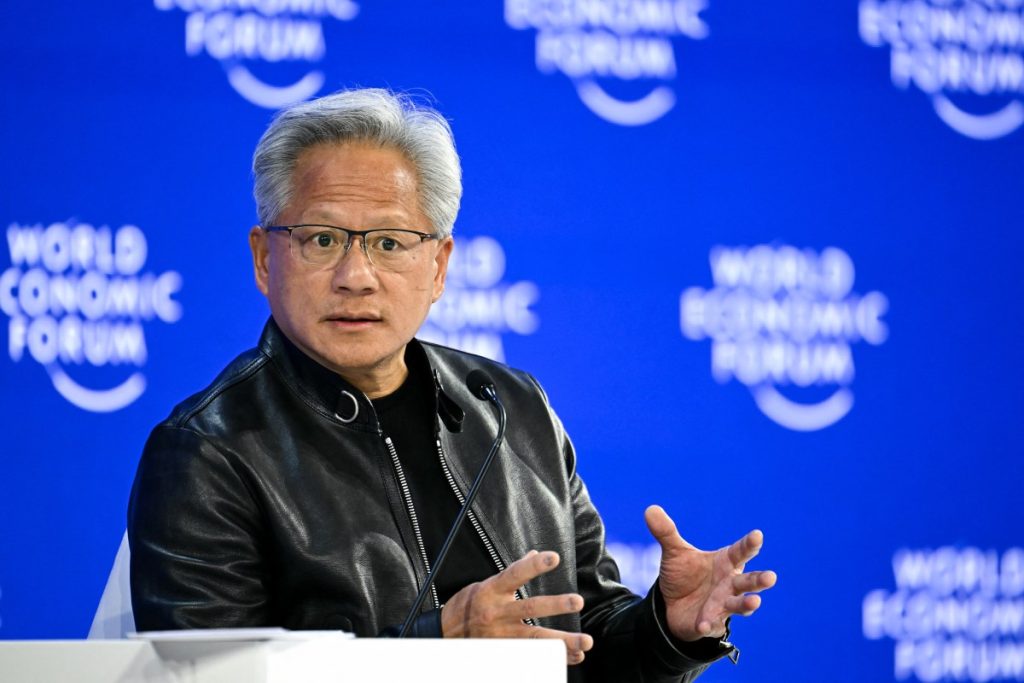
Image Credits:Fabrice COFFRINI/AFP / Getty Images
S&P Global Ratings Considers Downgrading Nvidia
The financial community is buzzing with speculation after S&P Global Ratings, one of the leading credit rating agencies, announced it is contemplating a downgrade of Nvidia’s rating. This decision comes amid rising concerns regarding the company’s management and governance practices, particularly focusing on the implications of leadership changes within the organization.
Leadership Turmoil Raises Flags
Despite Nvidia’s impressive financial performance, the agency’s scrutiny stems from the recent ousting and subsequent reinstatement of CEO Jensen Huang. S&P expressed specific concerns about “weak executive oversight” and a “lack of succession planning.” The agency further highlighted what they term “key man risk,” which indicates a heavy reliance on Huang for the company’s ongoing success. In a statement released by S&P, these factors play a critical role in their evaluation and could lead to significant consequences for Nvidia’s credit rating.
Potential Rating Changes
S&P Global Ratings is expected to complete its review of Nvidia’s credit standing within a 90-day period. The potential downgrade could see Nvidia’s rating adjusted from AA to AA-, making the latter the fourth-highest classification on S&P’s scale. Although a drop from AA to AA- still keeps Nvidia within the realm of investment-grade ratings, it signifies a noteworthy shift in the agency’s outlook.
Implications of a Downgrade
While Nvidia is likely to retain its investment-grade status, a downgrade could have substantial implications for the company’s borrowing costs. Bankers and financial analysts are particularly concerned about how this change might affect Nvidia’s support for neoclouds and other infrastructure firms that typically rely heavily on Nvidia’s financial backing but do not have robust credit ratings on their own. A lower credit rating could mean increased costs for these companies, forcing them to provide more collateral or face elevated interest rates on existing debts.
Financing Initiatives
In August, Nvidia outlined its intentions to secure an incredible $500 billion in financing aimed at developing AI infrastructure, collaborating with six prominent financial institutions, including Goldman Sachs, Apollo, and Blackstone. The original agreement stipulated that Nvidia would guarantee 25% of the loans. However, even prior to Huang’s leadership upheaval, lenders were already signaling a desire for Nvidia to assume a larger guarantee. According to sources from Bloomberg, this trend indicates that the volatility surrounding Nvidia’s leadership could exacerbate lenders’ demands.
Increased Guarantees Likely
If S&P proceeds with the downgrade, there is a high probability that lenders will escalate their requirements for guarantees. This added pressure could jeopardize Nvidia’s funding plans and complicate its financial strategy. Such developments would not only affect Nvidia’s immediate financing efforts but could also have a prolonged impact on the broader landscape of AI-related investments.
The Bigger Picture: What It Means for Investors
Investors closely watching Nvidia’s next moves must consider the broader implications of this potential rating change. An altered credit rating impacts not only the company’s immediate borrowing capabilities but also its long-term strategic initiatives and growth potential. A downgrade could lead to a ripple effect, influencing how investors view Nvidia’s long-term viability amidst escalating scrutiny over its management practices.
Governance Practices Under Review
The governance concerns cited by S&P are not just a temporary issue; they point to deeper structural challenges within Nvidia. Effective governance and executive oversight are fundamental for sustaining investor confidence, especially in an industry characterized by rapid change and fierce competition. Companies must have robust succession plans and diversified leadership to navigate unforeseen challenges; otherwise, they risk facing operational setbacks and potential losses.
The Role of AI and Future Outlook
As Nvidia seeks to advance its AI initiatives, it cannot afford to divert attention from governance issues. The company is in a race against time, as AI technology continues to gain traction across various industries. The firm’s ability to secure adequate funding, ensure stable leadership, and maintain investor trust will be pivotal for its growth trajectory.
Conclusion: The Journey Ahead for Nvidia
As Nvidia navigates these turbulent waters, it faces scrutiny not only from credit rating agencies but also from investors and industry stakeholders. The potential downgrade by S&P Global Ratings emphasizes the crucial need for effective governance and strategic planning in securing sustainable growth.
The upcoming months will be critical for Nvidia as it works to stabilize its leadership and reinforce its growth strategy. By addressing the concerns brought forth by S&P and bolstering its governance practices, Nvidia can enhance its standing within the financial community and ensure its crucial role in the development of AI and other technological advancements. The journey ahead may be fraught with challenges, yet with proactive measures, Nvidia still has the potential to emerge as a leader in innovation and growth.
Thanks for reading. Please let us know your thoughts and ideas in the comment section down below.
Source link
#considers #Nvidia #credit #downgrade #governance #key #man #risks
About The Author