

The debate over AI jobs has become increasingly complicated and controversial.
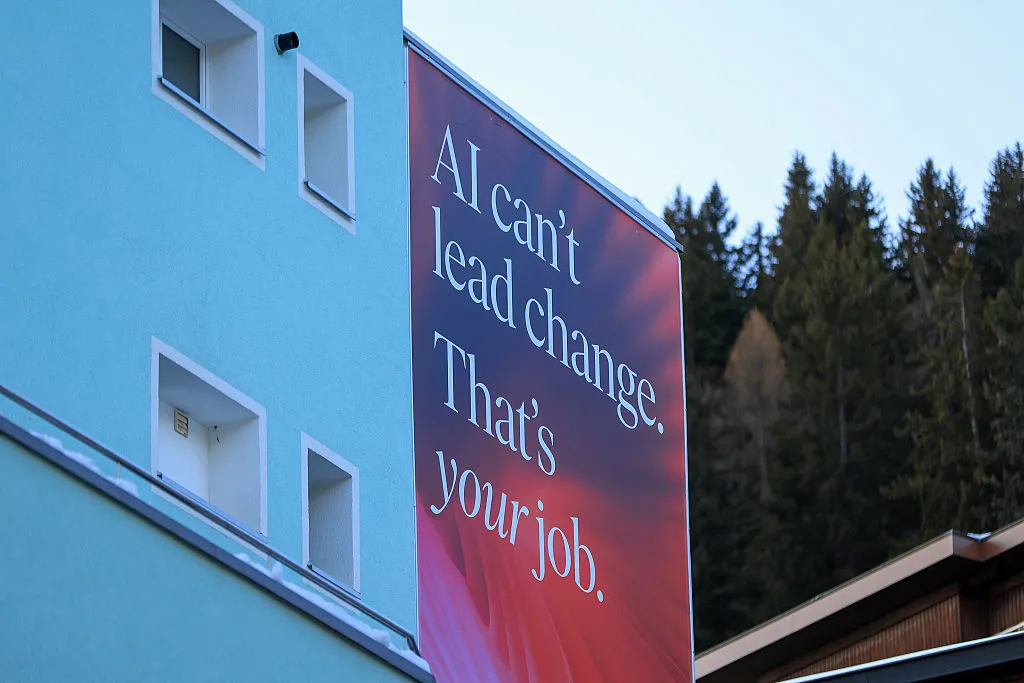
Image Credits:Getty Images
Rising Concerns Over AI Job Losses
With every announcement of layoffs tied to artificial intelligence, fears surrounding job losses continue to mount. By May 2026, nearly 90,000 job cuts had been reported as linked to AI, with estimates suggesting that up to 15% of jobs in the U.S. may be eliminated by AI within the next five years. While the tech industry promises new job opportunities created by AI advancements, this reassurance does little to alleviate anxiety, especially for the younger generation concerned about their employment prospects post-graduation.
New Insights from Ramp and Revelio Labs
A recent report from Ramp and Revelio Labs adds complexity to this bleak outlook. These firms analyze enterprise AI spending and workforce records from approximately 22,000 companies. Contrary to the prevailing narrative that positions AI as a central force in job loss, the report reveals some surprising trends regarding job growth.
The findings indicate that companies investing significantly in AI are actually expanding their workforce, even in entry-level positions that many fear are at risk. Specifically, “high-intensity adopters”—defined as firms spending an average of $30 per employee per month on AI—observed a 10.2% increase in their headcount within the first three months of AI implementation.
Job Growth Across Diverse Functions
Job growth was not limited to a single sector; it occurred across various functions, including engineering, sales, customer service, finance, marketing, and scientific roles. The greatest job growth among high-intensity adopters occurred in the information sector, which encompasses software, internet, media, and tech-adjacent companies. This information might counter the notion that AI is synonymous with job losses in all domains.
The Nuanced Reality of AI Impact
Nonetheless, the data should be interpreted with caution. It predominantly reflects the experiences of tech-savvy, knowledge-based firms—many of which are already growing rapidly, often backed by venture capital. This raises questions about whether AI is a genuine contributor to job creation or merely a tool used by businesses that are already on the path to expansion.
As the report authors assert, “This paper does not show that AI universally creates jobs,” but it does challenge the idea that AI will result in widespread job losses.
The Fate of Entry-Level Positions
The discourse surrounding AI’s impact on junior roles is critical, particularly as Goldman Sachs has found that AI has resulted in a net loss of approximately 16,000 jobs per month over the past year, with entry-level positions, particularly those filled by Gen Z, disproportionately affected. Yet, despite this negative trend, the report highlights that entry-level headcount in tech-forward firms rose by 12%.
AI as a Tool for Expansion
So, what conclusions can we draw from this data? It suggests that AI may not be solely a vehicle for labor displacement but also a catalyst for firm expansion.
“In software and technology firms, AI can render core output cheaper or faster to produce,” the report elaborates, specifically mentioning tasks such as writing code, debugging, building internal tools, and producing technical documentation. The reduction in production costs can thus enhance the overall profitability of the firm, which may allow for an expanded workforce, not just within engineering teams but across various departments.
The Role of Sustained Investment
However, the report notes a significant distinction. Companies that merely subscribe to AI services or conduct pilot programs without making long-term commitments do not usually experience gains in headcount. This creates a potential divide between businesses that possess the necessary resources—capital, technical knowledge, and management capacities—to leverage AI for real business advancements, and those that remain stuck in a cycle of experimentation with AI subscriptions.
A Widening Gap
This discrepancy raises concerns about a widening gap in the industry. Firms that already boast significant resources are likely to reap the most benefits from AI adoption, while those lacking the same advantages may succumb to stagnation or decline. The authors caution that this divide may continue to grow, stating, “Firms without those channels may fall behind.”
Conclusion: Rethinking AI’s Role in Employment
As we navigate the complexities of AI’s impact on the job market, it’s essential to recognize that the technology is not inherently destructive. Companies that actively invest in AI can foster a collaborative growth environment, while those that fail to harness this technology effectively could risk falling behind.
Ultimately, the conversation should shift from fearing job losses to exploring how AI can enhance business operations and create new roles. Understanding the nuances of AI adoption can alleviate some worries while also preparing both workers and organizations for the evolving landscape of employment in the age of artificial intelligence.
Thanks for reading. Please let us know your thoughts and ideas in the comment section down below.
Source link
#jobs #debate #messier
About The Author