
Trump Proposes Rebranding AI and Establishing an AI Force
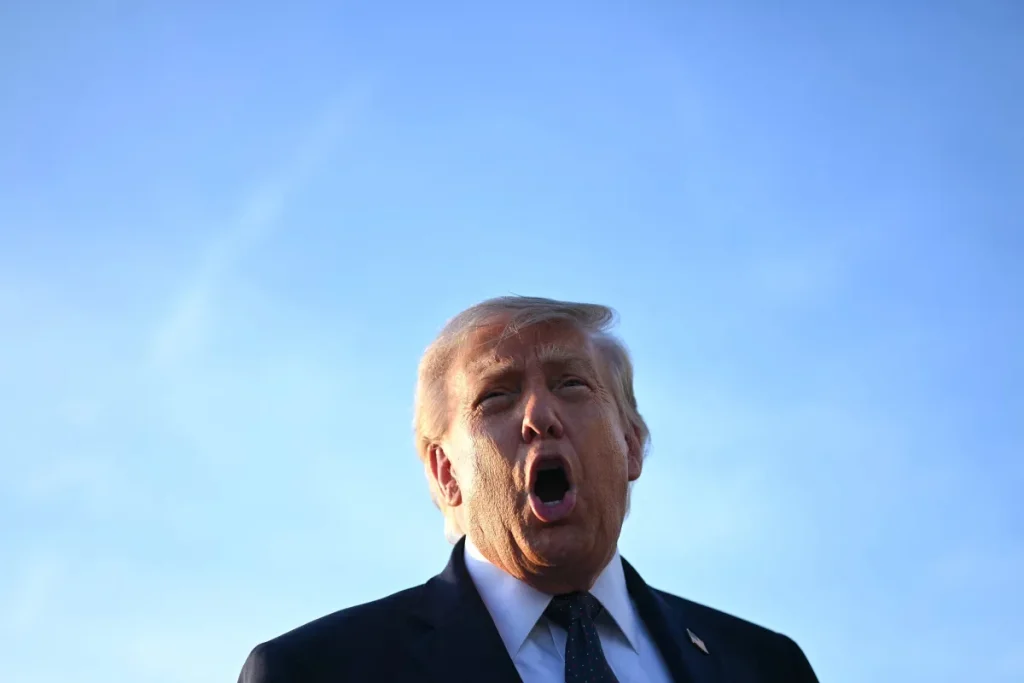
Image Credits:Mandel NGAN / AFP / Getty Images
Trump’s Response to the AI Safety Debate
Former President Donald Trump has approached the ongoing discussions surrounding artificial intelligence (AI) safety in his typical style, dismissing the concerns as yet another series of “hoaxes” purported by the “Radical Left Dumocrats” aimed at undermining the nation.
Trump’s Views on AI Terminology
On Saturday, Trump took to his platform, Truth Social, to express his belief that the term “Artificial Intelligence” is misleading and cumbersome. He suggested that many view this terminology as inadequate in describing the technology, prompting him to conduct a poll among his followers for alternative names, such as Superior Intelligence, Extreme Intelligence, or Supreme Intelligence. This poll remains active, indicating continued engagement on the topic among his supporters.
Hoaxes and Democratic Attacks
A couple of hours later, Trump continued his commentary by alleging that the fears regarding AI are part of a broader series of “Democratic hoaxes,” including past controversies like Russia and Ukraine investigations. He asserted that these attacks shared a common goal of damaging the country. In his view, the supposed AI crisis reflects a failed offensive against data centers, as critics pivoted their focus directly toward AI technologies.
Despite his strong assertions, Trump did not present any evidence to substantiate his claims regarding the nature of concerns about AI and data centers. This skepticism toward data centers is not limited to one political party; critics from both sides of the aisle have raised questions, and New York has officially ceased granting permits for large data center projects.
Support for AI and the Formation of an AI Force
Trump’s social media commentary is consistent with what he previously stated at a golf event, where he expressed openness to regulatory measures but criticized what he termed “negative forces” driving the discourse on AI safety.
In his Saturday post, he proclaimed that he would actively support and protect the AI industry as it evolves. To this end, he announced plans to create an AI Force, reminiscent of the Space Force established during his presidency. Alongside this initiative, Trump stated he would be introducing an AI “Czar,” inviting “only high I.Q. individuals” to apply for the position.
However, the specifics regarding the roles and responsibilities of both the AI Force and the AI Czar have yet to be clarified. It’s worth noting that venture capitalist David Sacks resigned as Trump’s AI and crypto czar earlier this year, transitioning to co-chair the President’s Council of Advisors on Science and Technology.
Heightened Concerns in the AI Industry
The debate over AI safety gained renewed urgency recently when an AI researcher departed from Anthropic, citing fears that prominent AI firms “earnestly believe it could kill us all by the end of the decade” and are “gambling with our lives.” Following this, Anthropic’s CEO Dario Amodei introduced a strategy to “pace the frontier,” which drew support from influential figures including OpenAI CEO Sam Altman and SpaceX CEO Elon Musk.
Critics contend that the existential threats associated with AI distract from its more immediate risks and challenges. In this fragmented landscape, the AI safety conversation continues to evolve, reflecting a blend of genuine concern and political maneuvering.
Agreement from Industry Leaders
Interestingly, during the All-In Summit—co-hosted by Sacks—Nvidia CEO Jensen Huang echoed Trump’s sentiments regarding the backlash against AI, labeling it a “hoax.” Huang emphasized a collective resolve against any slowdown in AI development, reinforcing the shared belief among certain industry leaders that progress must continue unabated.
The Future of AI Safety Discourse
The clash between political rhetoric and genuine concerns about AI safety illustrates the complexities of navigating this transformative technology. As both political figures and industry leaders weigh in, the conversation involves not just technological advancements but also ethical considerations about the impact on society.
Trump’s comments encapsulate a broader tension: While he advocates for support and development within the AI sector, critics remain vigilant about the ethical implications and safety concerns related to its rapid evolution. As we advance, it will be critical to balance innovation with accountability, ensuring that AI technologies benefit society as a whole rather than pose unforeseen risks.
Conclusion
In conclusion, Donald Trump’s recent opinions on AI safety reflect his distinctive approach to political discourse. By framing AI concerns as part of a broader political narrative, he reinforces existing divides while navigating a rapidly changing technological landscape. As this dialogue evolves, both advocates for AI and its critics must engage thoughtfully about how best to harness its potential while safeguarding against its risks.
Thanks for reading. Please let us know your thoughts and ideas in the comment section down below.
Source link
#Trump #time #rebrand #hes #creating #Force
About The Author