xAI Operates Nearly 50 Unregulated Gas Turbines at Mississippi Data Center
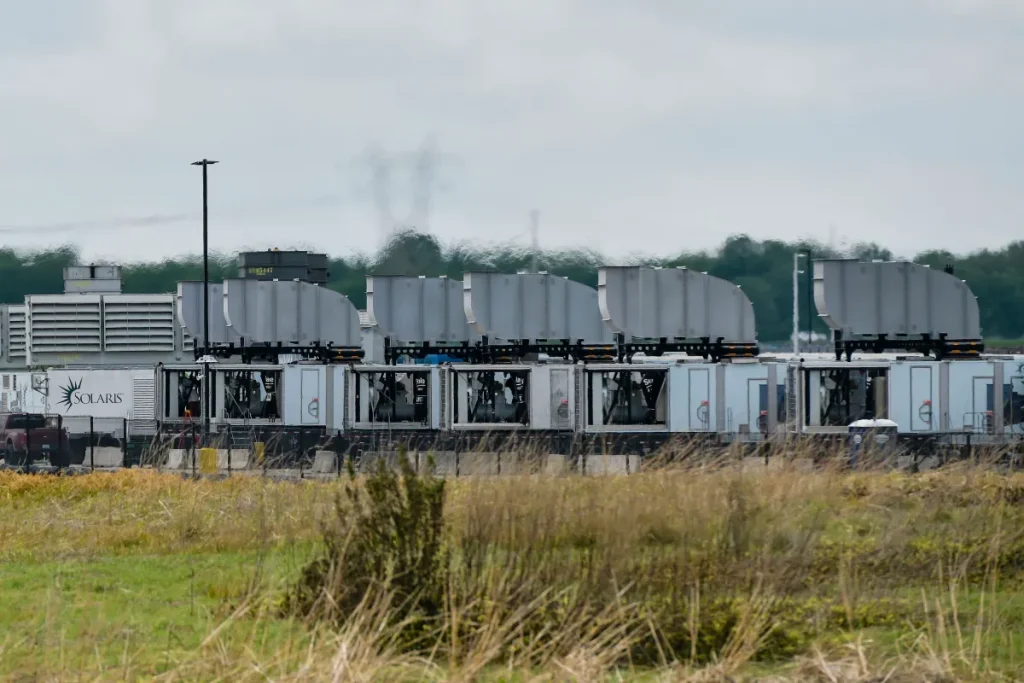
Image Credits:Brandon Dill for The Washington Post / Getty Images
Elon Musk’s xAI and Mississippi’s Natural Gas Turbines: A Controversial Energy Solution
In the realm of artificial intelligence and technological advancements, Elon Musk’s xAI is making headlines, particularly due to its controversial use of natural gas turbines at a data center in Mississippi. Currently, xAI is operating nearly 50 turbines, a move that raises questions about regulatory practices and air quality in the region.
The Loophole: Mobile Turbines Dodging Regulations
One of the key issues surrounding xAI’s operation revolves around the classification of these power plants as “mobile.” According to Mississippi state regulations, these natural gas turbines, which are mounted on flatbed trailers, are temporarily exempt from standard air pollution regulations for one year. This loophole has allowed xAI to sidestep environmental oversight, and local residents are increasingly concerned about the implications.
The NAACP has taken legal action on behalf of residents who allege that the emissions from these turbines contribute to a declining air quality in an area already burdened by pollution. The civil rights organization has filed a lawsuit requesting an injunction against xAI to address what they claim are unchecked emissions harming the health and safety of the community.
Legal Challenges: Environmental Laws and Regulations
The ongoing legal battle is being supported by the Southern Environmental Law Center, which argues that despite their mobile classification, the turbines should be considered stationary under federal law. Regulations specify that power plants mounted on trailers could still fall under stationary status, thus making them subject to air pollution oversight.
According to legal experts and environmental advocates, the lack of stringent regulations on these turbines could set a dangerous precedent for similar operations in the future. As communities grapple with the mounting effects of climate change and air pollution, the need for effective regulation becomes ever more critical.
Permitting Issues: The Numbers Behind xAI’s Operations
Currently, xAI has received permits for only 15 of its natural gas turbines. A prior statement from the Greater Memphis Chamber of Commerce indicated that about half of the 35 turbines operational by May 2025 would remain on-site. However, reports indicate that xAI has continued expanding its operations, with nearly 46 turbines now in use, further complicating the state’s regulatory landscape.
The situation raises questions about accountability and the enforcement of environmental laws. By operating more turbines than permitted, xAI could be in violation of state and federal laws, leading to potential legal ramifications.
Community Responses: Health Concerns and Local Advocacy
Community reactions to xAI’s operations have been overwhelmingly negative, as residents express concerns over health risks associated with air quality. Many residents in the region are already living in areas with significant pollution, and the introduction of nearly 50 natural gas turbines exacerbates an already precarious situation.
The NAACP’s lawsuit reflects the voices of these residents who fear that unchecked emissions could lead to long-term health problems, including respiratory issues and other serious medical conditions. Public health experts emphasize that citizens have a right to clean air and that regulatory bodies must enforce laws to ensure their well-being.
The Future of Energy Regulation in Mississippi
As the situation evolves, the future of energy regulation in Mississippi remains uncertain. Advocates for stricter environmental protections warn that without comprehensive regulatory frameworks, companies like xAI may continue to exploit loopholes, prioritizing profit over community health.
In light of the growing climate crisis and the need for clean energy solutions, the current debate reflects a larger conversation about how energy companies can operate responsibly. Stakeholders, including government agencies, environmental groups, and the communities affected, must come together to forge a sustainable plan that mitigates environmental harm while accommodating necessary advancements in technology.
Conclusion: Balancing Innovation and Environmental Responsibility
Elon Musk’s xAI may be at the forefront of AI and technological innovation, but its operations in Mississippi raise pertinent questions about the balance between progress and environmental responsibility. As legal disputes unfold and community advocacy intensifies, it becomes essential for regulators, companies, and residents to work collaboratively.
Creating a framework that utilizes clean energy while ensuring the health and safety of the community will be key in navigating the complexities of this evolving landscape. The outcome of the NAACP’s lawsuit may set critical precedents, shaping the future of energy regulation and its impact on local communities in Mississippi and beyond.
In summary, while technological advances can offer significant benefits, we must remain vigilant to ensure that they do not come at the cost of our shared environment and public health. The challenge moving forward will be to promote innovative solutions that align with sustainable practices and robust regulatory oversight.
Thanks for reading. Please let us know your thoughts and ideas in the comment section down below.
Source link
#Musks #xAI #running #gas #turbines #unchecked #Mississippi #data #center
About The Author