Cognition’s Scott Wu: AI Coding Agents Should Complement, Not Replace, Human Programmers
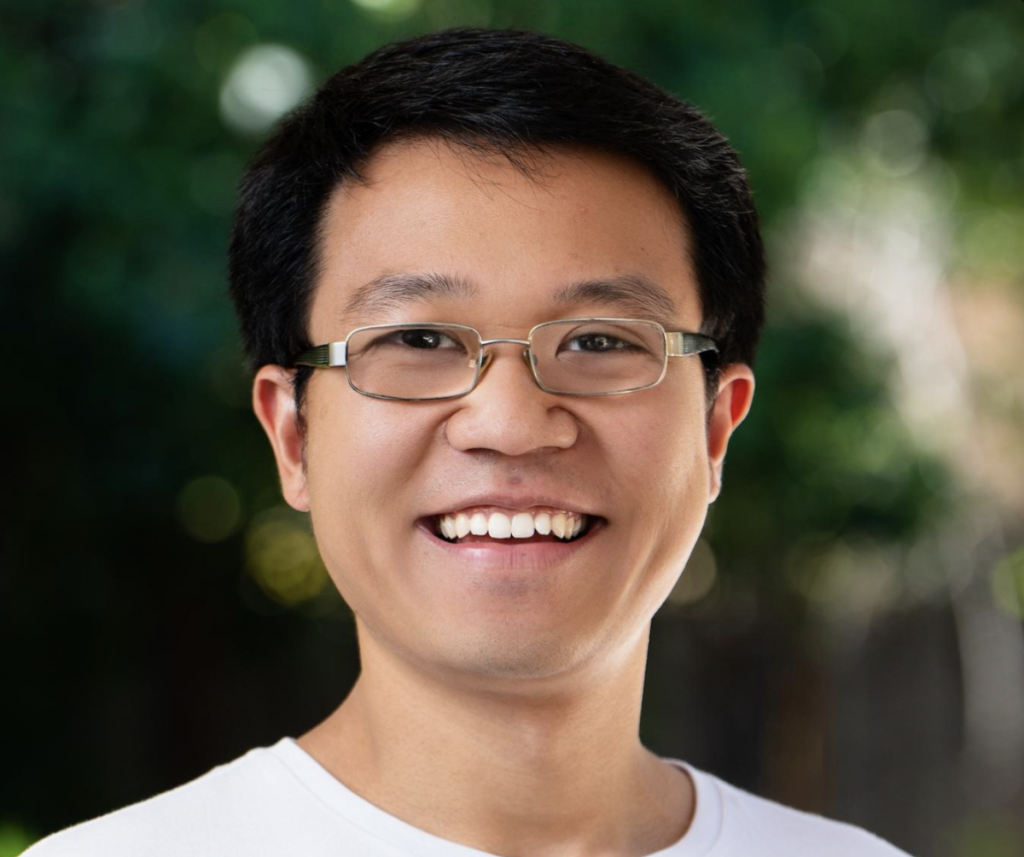
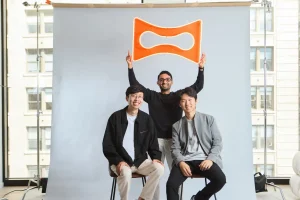
Image Credits:Cognition
Cognition CEO Scott Wu’s Vision for AI in Software Development
Cognition CEO Scott Wu has once again captured attention this week as his startup, specializing in AI coding agents, successfully secured $1 billion in funding, elevating the company’s valuation to an impressive $26 billion. Cognition is renowned for its creation, Devin, recognized as one of the pioneering and arguably most effective AI coding agents. Wu asserts that Devin “naturally owns tasks end to end,” heralding a new era in software development.
A Shift Toward Self-Driving Software Development
In the recent announcement regarding the funding round, Cognition articulated its vision of moving toward “self-driving software development.” With advancements in AI, Wu contemplates the transformative potential of automated coding agents in the industry. The question arises: Can Devin replace a mid-level L4 programmer? Wu’s response is nuanced—“Yes, and no.” He emphasizes, “We’ve never thought about it as replacing humans,” and clarifies that the notion of AI replacing human coders is not part of their mission.
In a time when many tech companies are downsizing in the name of automation, Wu distinguishes himself with a commitment to preserving jobs in the programming field. Reflecting on his own journey, he shared, “We are all programmers ourselves… I started coding when I was nine.”
A Prodigy in Coding from a Young Age
Scott Wu’s journey in programming began as a prodigy. Recognized as one of the most accomplished child competitive programmers, he won a national math competition for seventh-graders as a second grader. This early success paved the way for a childhood immersed in mathematics and programming competitions, introducing him to peers who would also excel in the tech startup realm, including Alexandr Wang, the founder of Scale AI.
Although he’s driven by a passion for technology, Wu underscores that the aim of Devin is not to make human programmers obsolete. As he humorously notes, “When we started building Devin, we really just thought of it as: this is your buddy who helps you build more.”
Devin as a Collaborative Companion
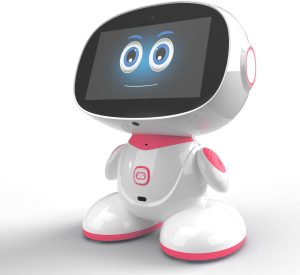
In Wu’s eyes, Devin serves as an assistant—a collaborative partner in the creative process of software development. He often showcases a stuffed animal resembling Devin, reinforcing the idea of AI as a friend rather than a competitor. “This is my buddy that helps you build more,” he explains, highlighting his desire for AI agents not to diminish the joy of programming.
Most software engineers, according to Wu, relish the act of building software. “If you ask them why, they’ll basically tell you…‘I get to build things from nothing,’” he explains. Software development is an opportunity to turn ideas into tangible products, and Wu envisions AI as an additional layer of abstraction between conception and creation, much like visual development environments that simplify coding.
Devin’s Role in Software Creation
Despite the friendly undertones, the efficacy of Devin in Cognition’s operations is noteworthy. The company reports that Devin is responsible for nearly all the software produced, with 89% of code committed by the AI agent. The remainder comes from local agents from Windsurf, the AI coding competitor acquired last year.
Wu elaborates on the role of Devin, emphasizing its ability to take on long-term maintenance tasks that many programmers find tedious, such as updating outdated software or transitioning applications between platforms. By alleviating such burdens, Wu believes that Devin empowers human programmers to focus on more creative and innovative aspects of their work.
The Balance Between AI and Human Coders
Wu ardently rejects the notion of Devin as a replacement for human coders. He notes that while Devin can operate independently, it functions at a level comparable to “somewhere between a junior and a mid-level engineer,” depending on the complexity of the task. This positioning aims to enhance rather than replace the workforce.
The conversation naturally shifts to the intriguing concept of self-driving software, where agents continuously learn and improve. Wu anticipates a “wild ride” as AI technology evolves to potentially higher levels of autonomy and capability. He foresees the application of coding agents in various fields beyond software, including customer service and medicine, but maintains that their role will primarily focus on augmenting human efforts.
Future Implications of AI in Various Fields
“Code and software have been the first to move, but we’ll see this happen in all these other industries,” Wu forecasts. A strong advocate for maintaining human agency in the workplace, he asserts that it should always be the human who decides what tasks to undertake—a philosophy he believes is applicable across all professions, not just in software engineering.
Wu’s vision extends beyond mere coding; it encompasses the broader implications for industries as AI continues to evolve. By prioritizing collaboration between AI and humans, he hopes to foster an environment where technology enhances creativity, efficiency, and ultimately, job satisfaction.
Conclusion
Scott Wu’s perspective on AI in software development serves as a refreshing counterpoint to the prevailing narrative surrounding automation and job displacement. By positioning Devin as a collaborative partner rather than a replacement, he aims to retain the passion and creativity intrinsic to the programming profession. As Cognition continues to pave the way toward self-driving software development, it stands as a testament to the potential of AI to enhance human capabilities rather than supplant them.
In an era rife with technological advancements and societal shifts, Wu’s commitment to this philosophy may well shape the future of both AI and the field of software engineering. Through augmentation rather than replacement, the future of work holds the promise of innovation and creativity fueled by collaboration between humans and AI.
When you purchase through links in our articles, we may earn a small commission. This doesn’t affect our editorial independence.
Thanks for reading. Please let us know your thoughts and ideas in the comment section down below.
Source link
#Cognitions #Scott #coding #agents #shouldnt #replace #humans
About The Author