
Google’s deepfake detection system used to disprove McConnell hoax image.
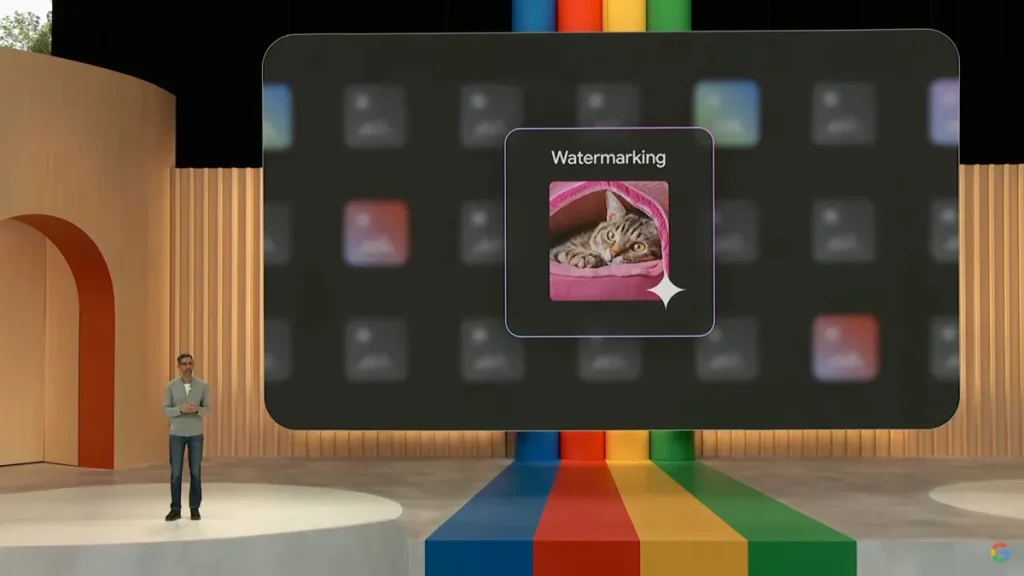
Image Credits:Google
Google SynthID System Successfully Debunks AI-Generated Hoax Image
A Recent Incident Involving Senator Mitch McConnell
In a recent digital incident, a high-profile image claiming to show Kentucky Senator Mitch McConnell in a hospital bed surrounded by tubes caused widespread concern online. Shared extensively on platforms like Reddit and X, the image depicted the senator in apparent distress, heightening speculation around his health condition. However, this unsettling portrayal was quickly identified as a hoax, thanks to the innovative capabilities of Google’s SynthID system.
The Role of Google’s SynthID
On Wednesday, the renowned fact-checking organization Snopes assessed the circulating image and discovered it was marked with Google’s SynthID watermark. This watermark serves as a key feature designed to differentiate genuine content from AI-generated images, marking a significant triumph in combating misinformation. The immediate identification of this image as fake is a testament to the effectiveness of SynthID in identifying AI-generated visuals.
The Background of Senator McConnell’s Health
Senator McConnell’s health has been under scrutiny since he was admitted to the hospital following an emergency call on June 14. His notable absence from public events since then has fueled speculation about his well-being, leading to concern among constituents and the media alike. However, the recent image circulating online turned out to be completely fabricated, highlighting the urgent need for verification tools like SynthID in an era increasingly plagued by digital misinformation.
What Is SynthID?
SynthID was introduced during Google’s I/O developer conference in 2025. It operates as an invisible signature embedded within images, allowing its algorithms to detect its presence while remaining undetectable to the average viewer. One of SynthID’s primary advantages is that this watermark is integrated into the image file itself, even surviving deletion, cropping, or modifications that might occur when images are screened or shared across different platforms.
How SynthID Works
The technology underlying SynthID offers a revolutionary way forward in the fight against deepfakes and fraudulent imagery. When an image bearing the SynthID watermark is processed through its algorithms, it can confirm the image’s origins and whether it was generated by an authorized tool. This built-in capability means that consumers and fellow creators can quickly verify the authenticity of images online, helping mitigate the misinformation crisis.
Limitations and Collaborations
However, it is essential to note the limitations of SynthID. The watermark can only be utilized when the image-generation tool actively cooperates with the program. For instance, Gemini models have included the SynthID watermark since its inception in 2025, proving to be pivotal in identifying AI-generated content. Subsequently, OpenAI joined the initiative in May 2026 as part of a broader strategy to combat malicious practices in image generation. Notably, Anthropic remains outside this collaboration, which limits its ability to mark its generated images through the SynthID system.
Importance of Verifying Images
In today’s digital landscape, where misinformation spreads with astonishing speed, the role of verification technologies like SynthID is more critical than ever. Users looking to ascertain the authenticity of digital images can leverage Gemini models or upload them to OpenAI’s public image verification tool. Such resources empower users to discern facts from fiction, particularly in an environment rife with deepfakes and misinformation.
Conclusion: A Milestone in Digital Integrity
The recent debunking of the hoax image depicting Senator McConnell represents a significant victory for SynthID and anti-deepfake technologies at large. By leveraging innovative tools to fight against the tide of misinformation, users can play an active role in ensuring the integrity of visual content online. As image generation capabilities continue to evolve, so too must our strategies for identifying and combating misleading content.
As SynthID and similar technologies advance, we can expect more proactive measures in the fight against fake images and the misinformation they propagate. Technologies like this not only provide a mechanism for verifying content but also represent a broader commitment to enhancing digital literacy and fostering trust within virtual communities. In uncertain times, innovation remains our ally as we navigate the complexities of information in the digital age.
Thanks for reading. Please let us know your thoughts and ideas in the comment section down below.
Source link
#Googles #deepfake #detector #system #debunk #McConnell #hoax #pic
About The Author