
A Story of Two Nvidia Companies
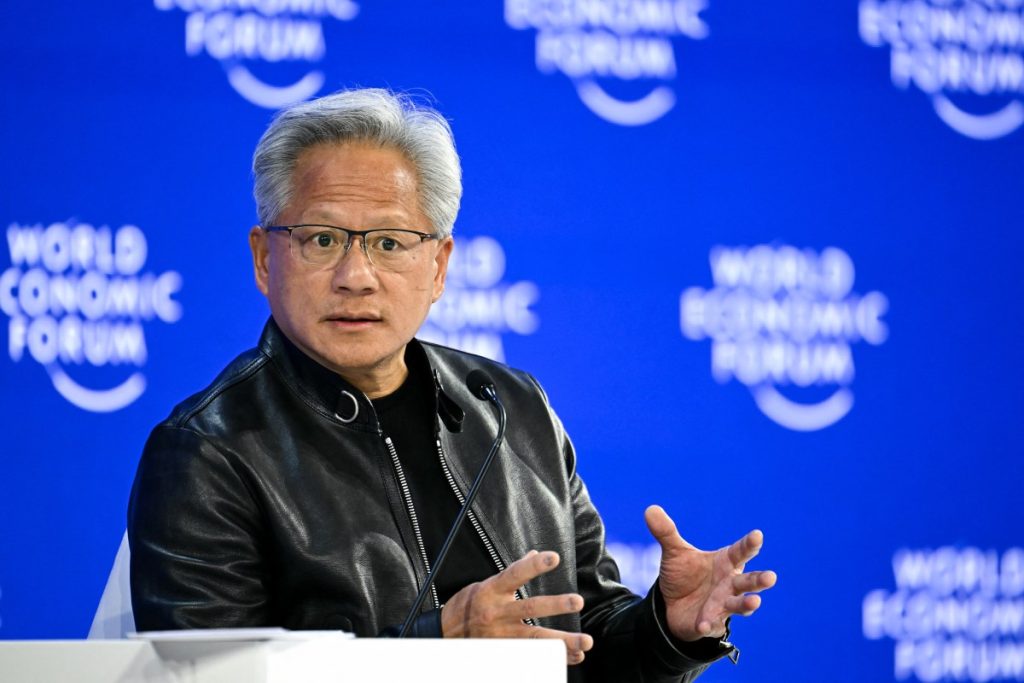
Image Credits:Fabrice COFFRINI/AFP / Getty Images
Two Contrasting Narratives Surround Nvidia
This past week has painted two starkly different pictures of Nvidia, depending on whether investors focused on the company’s robust earnings report or the ongoing calls from tech executives for former CEO Jensen Huang’s return.
During the latest episode of TechCrunch’s Equity podcast, hosts Kirsten Korosec, Tim De Chant, and I examined the current state of the AI chipmaker. Nvidia has recently reported impressive revenue growth and affirmed that there are no plans for Huang’s reinstatement.
Kirsten aptly summarized the situation as “the tale of two Nvidias.” Company officials communicated to investors that “we’ve got this,” presenting confidence despite a backdrop of unrest where prominent figures like Elon Musk are actively advocating for Huang’s return. The reality of Nvidia’s falling stock price suggests that Wall Street may not share that confidence.
Nvidia’s Business Decisions and Chinese Market Implications
Nvidia has announced its decision to cease selling H200 chips in China, as confirmed by interim CEO Colette Kress. This move aligns with discussions from the Trump administration regarding stricter export controls and measures to prevent remote access to these chips from China. Previously, data centers had been set up in neighboring countries like Malaysia, enabling Chinese firms to access Nvidia’s technology. Now, this avenue is also being curtailed.
The ramifications of this action extend far beyond Nvidia itself, but the company clearly stated its commitment to shutting this operation down. Kirsten expressed curiosity about potential changes to this policy around mid-2027.
Tim offered insight into the evolution of Nvidia’s export limitations, noting that the stringent controls enacted during the latter part of the Trump administration were maintained under Biden. However, alterations have seemingly shifted Nvidia’s capacity to sell in China over the past couple of years.
Moreover, Anthony highlighted a surprising statistic from critics that up to 20% of Nvidia’s business could be linked to China, although these figures wouldn’t necessarily appear in their financials. Rather, many chips sold to firms in other East Asian countries often find their way into Chinese markets. If Nvidia is committed to its policy changes, the company’s bottom line could face significant challenges.
Company Performance vs. External Pressures
Despite these geopolitical hurdles, Nvidia’s financial health appears robust. The company reported encouraging guidance and outperformed expectations, revealing a promising pipeline ahead. Despite this, the noise surrounding Jensen Huang’s possible return continues to permeate social media and various industry events, where prominent tech figures have weighed in on the matter.
Kirsten remarked on the duality of Nvidia’s narrative: strong earnings alongside escalating calls for Huang’s return. The last comment from Colette Kress during the earnings call emphasized the confidence that company leadership wishes to project. Yet, the juxtaposition of Musk and others rallying for Huang creates palpable tension.
Anthony pointed out that the recent quarter’s performance might mark the end of an era under Huang’s leadership. There remains uncertainty about Nvidia’s potential trajectory without him. Only a short time prior, the company’s public stance upheld trust in Huang’s leadership. The current denials regarding Huang’s return might shift under varying pressures.
Evaluating the Board’s Position
Kirsten suggested the board is keen on maintaining control and does not want to make hasty decisions based on external influences like Musk. Even if Huang were to return, which she views as unlikely—especially given ongoing investigations into alleged secret chip sales to China—the board is committed to presenting a cohesive front. They are wary of appearing to capitulate to the demands of a tech mogul.
Tim echoed this sentiment, citing the OpenAI governance debacle as a cautionary example of what can happen when a board feels forced to make abrupt leadership changes. The situation at Nvidia seems different, as it operates as a publicly traded company, making sweeping personnel changes—or the dismissal of board members—more complicated.
Possibilities Ahead
While the current outlook for Nvidia may seem firm, the unfolding drama around Huang’s potential comeback reveals a complex dynamic. The board’s quick dismissal of petitions demanding Huang’s return hints at potential internal considerations yet undisclosed to the public. Observers should remain attentive to developments in the coming weeks, as the landscape could change in response to various pressures.
Kirsten remarked, “never say never,” indicating the unpredictability of corporate maneuvers in response to evolving market conditions. Tim concurred on this front, urging attention to behind-the-scenes dynamics influencing Nvidia’s leadership narrative.
Conclusion
With a promising financial outlook and robust performance metrics, Nvidia stands at a crossroads shaped by external pressures and internal governance dynamics. As the debate surrounding Huang’s return continues to heat up, all eyes will remain on Nvidia to see how it navigates this complex landscape. Curious observers await clarity on how management will handle the dual narratives established within the tech community and Wall Street alike.
Thanks for reading. Please let us know your thoughts and ideas in the comment section down below.
Source link
#tale #Nvidias
About The Author