
Satya Nadella details rationale behind 60,000 employee layoffs at Microsoft.
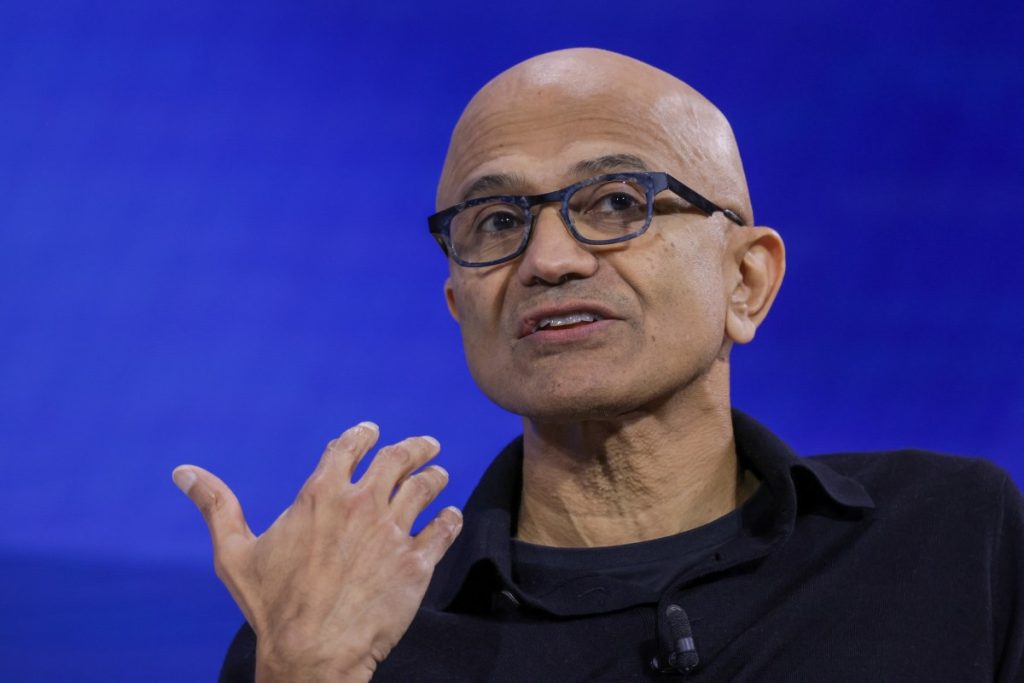
Image Credits:Spencer Platt / Getty Images
Microsoft CEO Satya Nadella’s Buyout Offer: A Transformation Towards AI
In a recent discussion, Microsoft CEO Satya Nadella shed light on the motivations behind the decision to offer voluntary buyouts to 60,000 employees in October. Instead of resorting to another significant layoff, Nadella emphasized the company’s shift towards an AI-driven future, urging staff to voluntarily transition from their roles as the organization undergoes fundamental changes. He insists that this transformation will not result in job losses but rather a restructuring of how work is performed and managed.
A Shift in Workforce Dynamics
The cornerstone of Nadella’s argument is that Microsoft is not simply replacing its employees with AI, particularly the software engineers, but is reimagining their roles. “We are reorganizing Microsoft into a company where everyone uses AI to do their work,” he stated during the DealBook Summit while talking with Andrew Ross Sorkin. According to Nadella, this transition allows employees to focus their efforts on managing AI systems rather than solely executing tasks themselves.
Nadella emphasized the importance of giving employees agency over their choices during this transition. He articulated that the buyout offer was intended to provide staff with the opportunity to decide their futures rather than feeling compelled to remain in a role that might soon become obsolete or significantly altered.
The Evolution of Software Engineering
To illustrate this shift, Nadella referenced the software engineering sector. Initially, there was skepticism regarding AI’s capabilities in software development. The narrative evolved from disbelief in AI’s potential, to wondering if it could replace software engineers altogether, leading to a renewed recognition of the relevance and future of the profession. “Software engineering is very much alive and, in fact, is going to thrive, except the way the team is organized and the work that a software engineer does has now got a new operating point,” he explained.
This new operating model means that software engineers are expected to adapt to AI tools, effectively transforming into managers of these AI systems. Nadella highlighted the example of the Cowork team—a small group of just 11 developers who leverage AI to automate and enhance their processes. Rather than directly building products, they create systems that facilitate product development, showcasing a shift from traditional roles to more strategic, management-oriented positions.
Embracing the Future
Nadella’s vision is that every employee across Microsoft will eventually take on a similar managerial role, overseeing AI agents rather than performing hands-on tasks. “That level of direction is going to happen in all jobs,” he asserted. This reflects his belief that the future of work at Microsoft—and potentially beyond—will require a rethink of employee responsibilities and workflows.
However, he acknowledged the challenges that come with such a fundamental shift. Microsoft, a company that has existed for over five decades, did not begin as an AI-first organization. He noted, “The question is, how quickly can an incumbent transform the work, the workflow, and the work artifact, along with all the wage support that goes with it?” This transformation may take longer than anticipated, and he recognizes that some employees might choose to pursue different paths rather than adapt to the new structure.
Addressing Employee Concerns
During a recent appearance on The Pragmatic Engineer podcast, Nadella expanded on the reasons for offering buyouts, highlighting the anxiety that many employees feel regarding their roles in the face of the AI revolution. He cited concerns about the potential for AI to displace human jobs and the anxiety stemming from discussions about the singularity—the point at which AI surpasses human intelligence. Nadella stated that these narratives could create a sense of helplessness and deter employees from embracing the necessary changes.
“It leads anyone who even wants to change to be anxious,” he noted, suggesting that Microsoft must take a proactive approach to alleviate these fears. He emphasized the need to make structural changes, allowing employees to find their place within the new organization while opening opportunities for growth.
The Buyout Message
In essence, the buyout offer serves as a clear message to employees: they can adapt to the forthcoming AI-first paradigm, which will significantly alter their roles, or they can pursue other opportunities elsewhere. By providing this option, Nadella aims to empower employees, allowing them to make decisions about their futures in line with the rapidly evolving technological landscape.
As this transition unfolds, it will become increasingly important for Microsoft to support employees throughout the process. Ensuring a smooth transition while addressing concerns of job security and personal agency will be crucial as the company navigates this complex transformation. The outcome of this shift will not only dictate Microsoft’s future but may also serve as a model for other established organizations grappling with similar AI-driven changes.
Conclusion
Satya Nadella’s announcement of buyouts for 60,000 Microsoft employees serves as a pivotal moment in the company’s transition towards an AI-integrated workforce. By redefining roles and focusing on AI management, Microsoft aims to adapt to the evolving technological landscape while providing employees with the agency to make their own choices. As the company embraces this transformation, it will be essential to support employees and address their concerns about job security and future roles. The move reflects a broader trend where traditional workplaces must re-evaluate their structures and workflows in response to the growing influence of artificial intelligence.
Thanks for reading. Please let us know your thoughts and ideas in the comment section down below.
Source link
#Microsoft #CEO #Satya #Nadella #explains #asked #60K #employees #quit
About The Author