
Downed power line reveals critical issues in AI data centers and possible solutions.
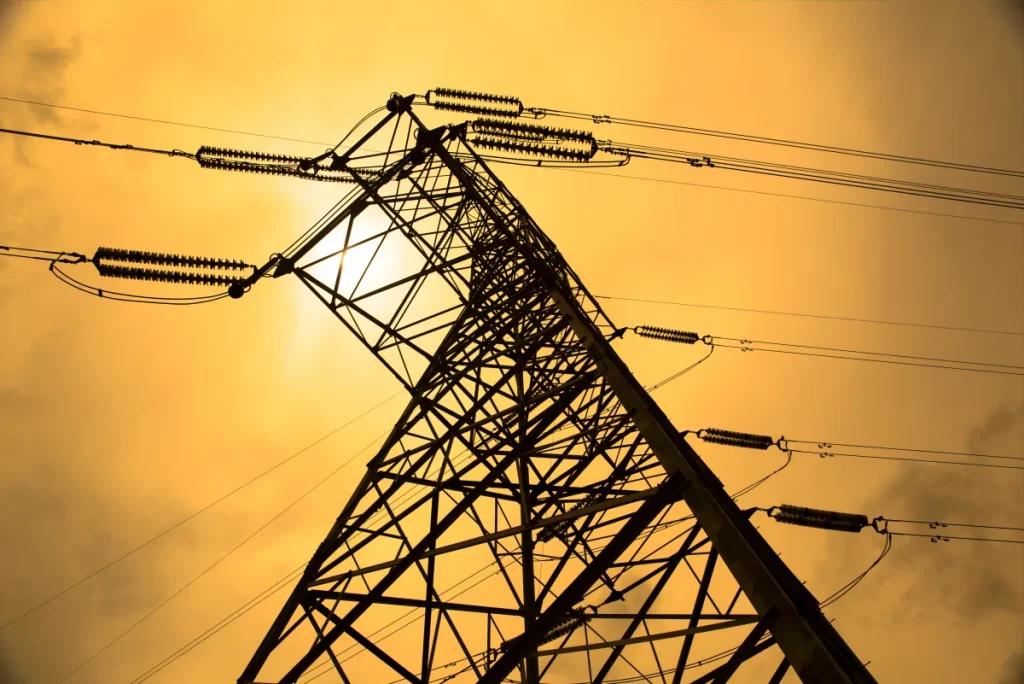
Image Credits:Getty Images
Power Line Failure Near Washington, DC
This week, a power line failure occurred outside Washington, DC, leading to an unexpected ripple effect within the electrical grid. Typically, such incidents require only a few seconds for recovery; however, this specific event extended recovery time to more than 10 minutes. The unusual delay was attributed to over 3 gigawatts of power consumption being abruptly removed from data centers in the region.
Voltage Spikes Across the PJM Grid
According to Ting Labs, a startup that utilizes an IoT sensor network embedded in electrical outlets, the power failure caused voltage across the PJM (Pennsylvania-New Jersey-Maryland) grid to spike dramatically, affecting areas from Northern Virginia to Chicago. Although the incident didn’t result in a blackout, it led to flickering lights throughout the region. This event underlines the increasingly significant impact that data centers have on grid operations—something that experts foresee becoming a more common occurrence.
Data Centers: A Growing Concern
Northern Virginia, situated in PJM’s operational area, hosts the world’s largest concentration of data centers. Ricardo de Azevedo, CTO at ON.Energy, remarked, “It’s the canary in the coal mine,” referring to the rising frequency of such disruptions caused by large power loads, particularly from data centers.
This recent event mirrors incidents from two years prior within the same grid and serves as a warning for potential larger disruptions if the infrastructure for data centers is not improved to better manage power supply fluctuations. PJM Interconnection oversees a vast network that spans from New Jersey to Illinois, catering to around 67 million customers.
Immediate Impact of the Power Failure
When the power line failed, data centers quickly shifted to backup power sources, leading to a sharp decline of about 3.1 gigawatts in load within merely 30 seconds. While the grid initially started to stabilize, it experienced further load drops shortly afterward. At its peak, the PJM grid was left with an excess of 3.49 gigawatts of electricity, requiring an additional 11 minutes for stabilization. The disconnected data centers accounted for roughly 3% of PJM’s total demand, as reported by Reuters.
The Importance of Balance in Grid Operations
Even a minor percentage of power disconnection can significantly disrupt the electrical grid, which must maintain an almost perfect equilibrium between supply and demand. Fluctuations, even small ones, can lead to voltage dips or spikes. The grid and connected devices are capable of withstanding limited variability, but excessive fluctuations typically result in failsafes triggering, causing further disconnections across the network.
As data centers in Northern Virginia registered the voltage changes due to the failed power line, they swiftly switched to backup systems, thereby dropping their load from the grid. This shift led to a chain reaction where the initial minor drop in supply devolved into a larger demand decline, ultimately resulting in voltage spikes and flickering lights.
Ali Zain Banatwala, a senior market models specialist at the Independent Electricity System Operator, indicated that most data centers operate almost instantaneously. He observed, “When the voltage dip reached them, they all decided to disconnect within a few seconds of each other.” This simultaneous action contributed to the chaos.
Need for Improved Coordination
Experts assert that a more coordinated approach among data centers is essential. Future strategies should focus on creating systematic protocols allowing these facilities to disconnect or reconnect in a staged manner rather than all at once. Such coordination can lead to enhanced grid resilience.
As an alternative, researchers and innovators suggest designing data centers to absorb power disruptions instead of merely reacting to them. ON.Energy has been working on a solution aimed at assisting both data centers and the grid in managing such challenges. Their technology involves an uninterruptible power supply system for entire data center campuses, offering coverage for servers, chillers, and other critical equipment.
Innovative Solutions for Data Centers
ON.Energy’s approach essentially “hides” the data center behind a robust battery bank integrated with advanced power conversion equipment. This strategic setup allows the grid to recognize a singular, stable load, minimizing the electrical irregularities previously caused by individual data center operations. Their system enables data centers to effectively modulate their computing workloads and even AI training without straining the electrical grid.
More critically, ON.Energy’s technology equips data centers to manage power fluctuations proactively. Instead of disconnecting during disruptions, the system can utilize excess power for battery charging and seamlessly provide energy to servers during shortfalls. This real-time responsiveness can avert the sags or surges that precipitated the recent PJM disruptions.
Currently, ON.Energy is in the process of installing systems generating a total capacity of 3 gigawatts across four distinct data center campuses.
Regulatory Awareness and Future Challenges
Grid management institutions are increasingly acknowledging the challenges posed by large power loads, with organizations like ERCOT implementing new requirements for data centers to “ride through” power disruptions.
Time is of the essence, as data centers’ impacts on grid stability are becoming increasingly pronounced. The recent mass disconnection event was twice as impactful as a similar one witnessed in 2024, where 60 data centers simultaneously withdrew 1.5 gigawatts of load from the grid. Data centers then constituted around 6% of PJM’s load, and forecasts predict they could represent 24% by 2040.
If current challenges remain unaddressed, the potential for severe grid instability looms ever larger. Clear solutions and enhanced technologies will be crucial as data centers play an increasingly central role in the energy landscape.
Thanks for reading. Please let us know your thoughts and ideas in the comment section down below.
Source link
#fallen #power #line #exposed #growing #data #center #problem #Heres #fix
About The Author