
Elon Musk’s lawsuit against Sam Altman and OpenAI ended in defeat.
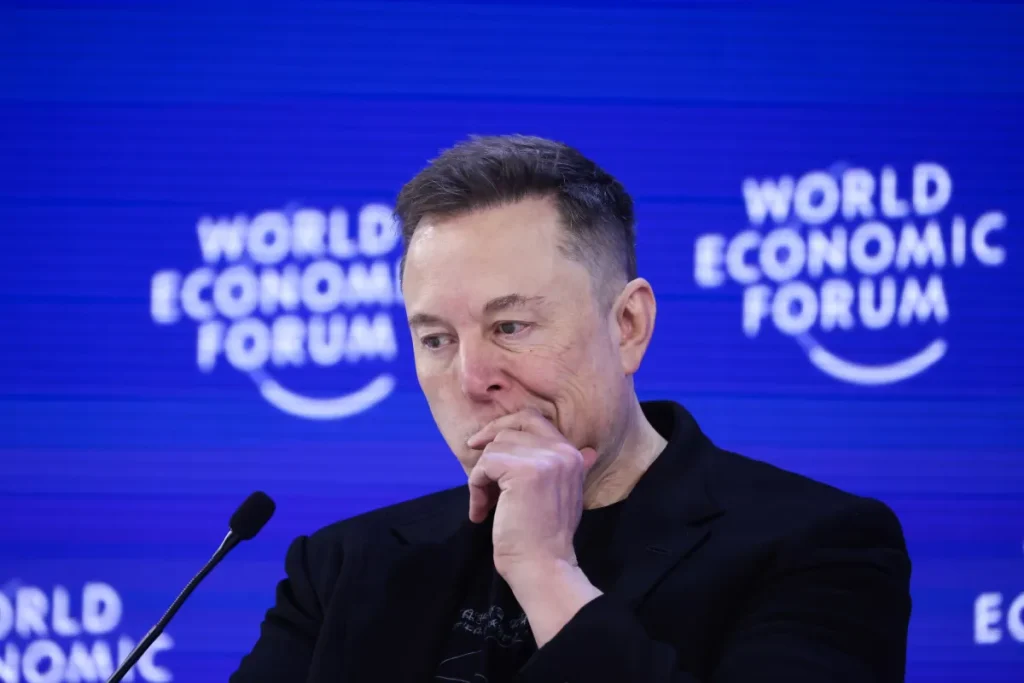
Image Credits:Krisztian Bocsi/Bloomberg / Getty Images
Elon Musk’s Lawsuit Against OpenAI Co-Founders Dismissed by Jury
Elon Musk’s allegations of mistreatment against his former co-founders at OpenAI were conclusively dismissed by a jury of nine in California, which ruled unanimously that his lawsuits were filed too late. Musk had claimed that Sam Altman, Greg Brockman, OpenAI, and Microsoft “stole a charity” by transforming the non-profit AI lab into a for-profit venture. However, jurors found that any grievances Musk might have experienced occurred before the legal deadline for filing such claims.
The Jurors’ Verdict
The trial, which explored the dramatic and complex history of OpenAI, ultimately focused on legal questions regarding whether promises made and broken by Altman and his associates to Musk constituted valid claims. Unfortunately for Musk, the jury was not persuaded by his arguments.
OpenAI’s legal team argued a statute of limitations defense, asserting that any alleged harms related to Musk’s claims occurred before 2021. The specific relevant dates varied by charge: before August 5, 2021, for the first count, August 5, 2022, for the second, and November 14, 2021, for the third. The jury found this defense compelling, leading to a brief deliberation period.
Judge Yvonne Gonzalez Rogers commented on the evidence presented, stating, “There was a substantial amount of evidence to support the jury’s finding, which is why I was prepared to dismiss on the spot.” With this ruling, a significant threat to OpenAI, namely the prospect of a restructuring, has been alleviated ahead of its anticipated initial public offering (IPO).
Implications for OpenAI and Microsoft
After the ruling, OpenAI’s lead attorney, Bill Savitt, expressed satisfaction with the outcome. “It did not take [the jury] two hours to conclude that Mr. Musk’s lawsuit is nothing more than an after-the-fact contrivance that bears no relationship to reality,” he asserted. Savitt characterized the lawsuit as a “hypocritical attempt to sabotage a competitor,” unequivocally highlighting the jury’s swift dismissal of Musk’s claims.
Microsoft, which was also implicated in Musk’s lawsuit for allegedly supporting OpenAI’s breach of charitable trust, celebrated the verdict. A spokesperson stated, “We remain committed to our work with OpenAI to advance and scale AI for people and organizations around the world.”
The Preliminary Hearing and Expert Testimony
The verdict coincided with a hearing intended to assess potential damages Musk might have claimed had the jury found in his favor. This discussion became moot after the verdict, but the judge appeared skeptical of the analogy drawn by Musk’s lawyers between his charitable contributions and investments in a for-profit startup. “Your analysis seems to be devoid of connection to the underlying facts,” she remarked, addressing Dr. C. Paul Wazzan, who had estimated that Musk’s losses from OpenAI and Microsoft could range between $78.8 billion and $135 billion.
Musk’s Response to the Ruling
Following the verdict, Elon Musk took to Twitter to express his perspective, framing the procedural dismissal as a sort of moral victory. He stated, “There is no question to anyone following the case in detail that Altman & Brockman did in fact enrich themselves by stealing a charity. The only question is WHEN they did it!”
He further announced his intention to appeal the decision, emphasizing the broader implications of the ruling. “I will be filing an appeal with the Ninth Circuit, because creating a precedent to loot charities is incredibly destructive to charitable giving in America,” Musk tweeted.
In a subsequent statement to TechCrunch, Musk’s lead attorney, Marc Toberoff, succinctly summarized their next steps: “One word: Appeal.”
Conclusion
The conclusion of this case not only marks a significant legal victory for OpenAI and its co-founders but also sets the stage for ongoing discussions about the ethical boundaries surrounding charitable organizations and their evolution into profit-making entities. As Musk prepares to pursue an appeal, the situation remains a point of contention and interest in the tech community.
The outcome of this trial may also influence future litigation surrounding nonprofit organizations, potentially shaping how they engage with investors and the broader technology landscape. The debate surrounding Musk’s accusations and the legal interpretations involved will likely continue to ignite discourse around ethical practices in the rapidly evolving domain of artificial intelligence and charitable organizations.
Thanks for reading. Please let us know your thoughts and ideas in the comment section down below.
Source link
#Elon #Musk #lost #lawsuit #Sam #Altman #OpenAI
About The Author