Huawei Targets Q1 2027 for Launch of AI Chip to Compete with Nvidia
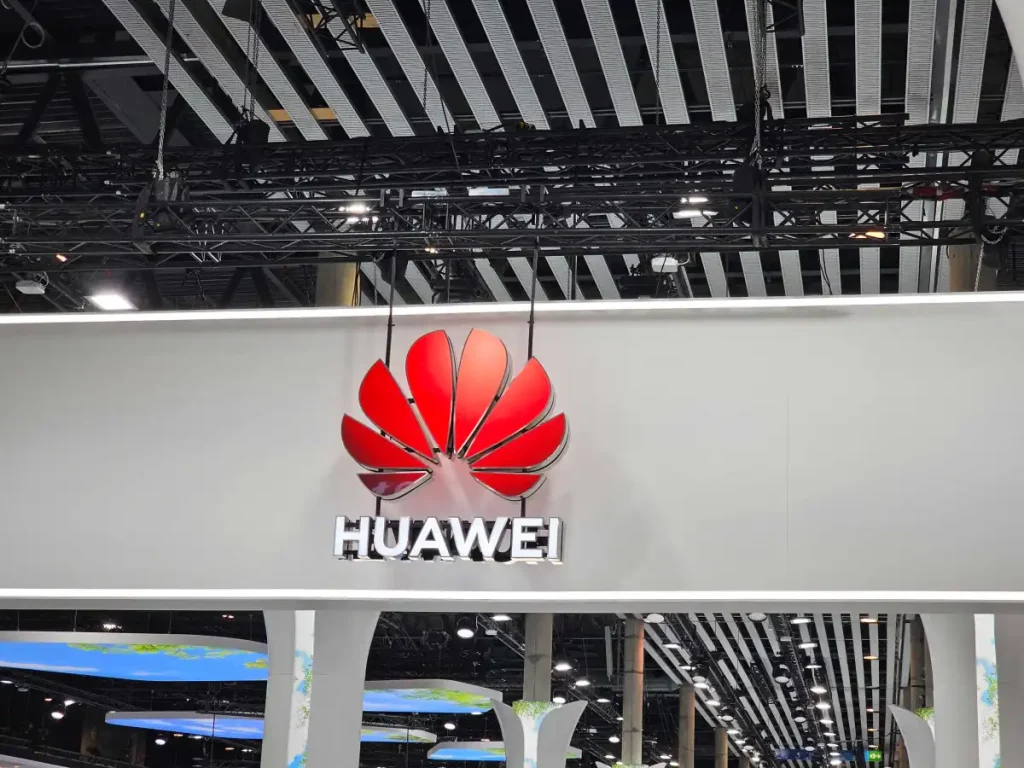
Image Credits:Brian Heater
Huawei Accelerates Launch of Next-Gen Ascend 960DT AI Chip
Huawei has announced that it will launch its latest Ascend 960DT AI chip sooner than expected, moving the release date to the first quarter of 2027. This shift aims to bolster the company’s competitive stance against Nvidia, as revealed at the recent Huawei Connect conference.
Previous Plans and New Schedule
Originally slated for a Q3 2027 release, the Ascend 960DT’s expedited timeline was confirmed by a Huawei spokesperson, who noted that this chip would showcase advancements in performance each year. David Wang, Huawei’s rotating chairman, emphasized this development at the conference, stating, “The Ascend 960DT is expected to be ready in Q1 2027. Ascend 960 chips are launching ahead of schedule, doubling performance and advancing year by year.”
This announcement carries implications, given its timing just a week before the anticipated meeting between U.S. President Trump and Chinese President Xi Jinping on September 24 in Washington, D.C.
The Vision Behind Peerium Computing Architecture
Huawei is not just focused on launching individual chips; the company aims to integrate hundreds of thousands, if not millions, of AI chips into a unified computing system. This innovative approach, referred to as the Peerium Computing Architecture, leverages UnifiedBus technology to create seamless connections between processors, memory, storage, and networking hardware.
Eric Xu, another of Huawei’s rotating chairmen, highlighted that this architecture is designed for larger AI systems capable of both training and inference processes. The Atlas 950 SuperPod and SuperCluster are the pioneering systems based on this architecture, with the ability to connect up to 256,000 accelerator cards in a single setup.
Concerns Over AI System Scale
Despite the promising advancements, the accelerated timeline has raised questions regarding the scale of Huawei’s AI system capabilities. Tech analyst Rui Ma pointed out discrepancies in Huawei’s claims regarding the Atlas 960 SuperPod, which was initially projected to support 15,488 Ascend 960 chips. However, the recent announcement only referenced a capability of 4,096 chips. Ma remarked, “The chip itself is coming WAY earlier, but the SuperPod they announced is much smaller than what they originally laid out.”
The difference between projections has led to speculation about whether Huawei’s infrastructure can truly support the ambitious goals it has set.
Navigating U.S. Restrictions
Huawei’s drive to enhance its chip technology continues despite ongoing U.S. restrictions affecting China’s access to advanced semiconductor technology. Analysts believe that these restrictions are unlikely to impede China’s determination to develop its semiconductor sector. Ma stated, “I think it’s futile to stop China’s development in semiconductors because the stakes for self-sufficiency are just too high at this point.”
The AI Race: U.S. vs. China
Trump’s administration has advocated for maintaining the U.S.’s leading position in AI technology, resisting calls from industry leaders to slow AI development on safety grounds. Meanwhile, Xu argues that China must speed up its AI advancements to narrow the existing gap with the U.S. He believes that Chinese companies need to progress further to fully understand and mitigate the risks associated with more advanced AI technologies.
The Future of AI Development
As Huawei forges ahead with its plans, the global tech landscape remains uncertain, particularly concerning international dynamics. The company’s commitment to developing powerful AI systems could reshape the competitive landscape, emphasizing the sheer scale and capability of AI technologies.
Summarizing the AI Landscape
Huawei’s push for the Ascend 960DT AI chip signifies a critical juncture in the tech industry, where both progress and challenges coexist. With its innovative Peerium Computing Architecture, the company aims not just for incremental advancements but for a paradigm shift toward integrated AI systems. As geopolitical tensions play out, the stakes of technological supremacy remain high, prompting increased scrutiny of both U.S. and Chinese strategies in AI and semiconductor industries.
The urgency reflected in Huawei’s accelerated timeline for the Ascend 960DT underscores the critical need for rapid innovation in a rapidly evolving technological landscape—where AI is set to play a dominant role. While the future remains abstract, progress in AI and semiconductor technology may depend on both corporate ambition and the unfolding political landscape.
Conclusion
In summary, Huawei’s early launch of the Ascend 960DT AI chip and its ambitious plans for AI integration illustrate the competitive and strategic maneuvers characteristic of today’s tech giants. As Huawei continues to navigate geopolitical challenges and technological hurdles, its journey offers insight into the complex interplay between innovation and regulation in the realm of AI and beyond.
Thanks for reading. Please let us know your thoughts and ideas in the comment section down below.
Source link
#Huawei #plans #launch #chip #takes #Nvidia
About The Author