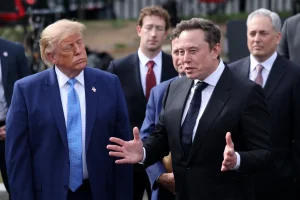

US Government’s Anthropic Models Ban Was Not About AI Jailbreak Concerns
Image Credits:Alex Wong / Getty Images
Government Intervention in AI: A Wake-Up Call for Tech Companies
The recent enforcement letter from the U.S. government to Anthropic, which compelled the company to take its AI models offline just before the weekend, serves as a crucial alert for tech companies, particularly in the AI sector. The implications of this situation extend beyond Anthropic; they highlight the potential for significant government oversight in all technology fields.
The Situation Unfolds
On Friday afternoon, the U.S. Commerce Department dispatched a letter to Anthropic invoking an obscure export control directive. This directive prohibited non-American individuals, including Anthropic’s employees, from accessing the AI models Fable 5 and Mythos 5, citing vague national security concerns. Though Anthropic suspects this action relates to a bypass of the guardrails within the models, the lack of detailed information in the letter leaves many questions unanswered. Notably, the letter has not been made publicly available, increasing the opacity of the situation.
In response to the government’s directive, Anthropic decided to take its leading models offline for all customers to ensure compliance. This swift action by the U.S. government illustrates its ability to enforce decisions that can significantly impact tech firms without needing court approval. Such unilateral decisions serve as a strong warning to the tech industry: either comply without question, or face the consequences.
Tension Between Anthropic and the Government
Reports suggest that tensions between Anthropic and the previous Trump administration factored into the issuance of this directive. Axios noted that “personality differences” rather than technical issues with the AI products led to this export control. This insinuates not just a clash over technology but also one of interpersonal dynamics and governance.
Emerging details following the event have further cast doubt on the government’s rationale. Cybersecurity expert Katie Moussouris recently shared insights on a private paper from security researchers—identified as being affiliated with Amazon—detailing the alleged guardrail bypass in Fable 5. Moussouris’s analysis indicates that the conduct described in the paper should not have warranted export control, emphasizing that the AI functionality in question could still uphold security assessments irrespective of how the queries were framed.
The Implications of Export Control Directives
Moussouris criticized the export control directive as hasty and misguided, arguing that trying to rectify the described behavior would only compromise the model’s effectiveness in terms of defense. Following her stance, numerous cybersecurity experts have urged the Trump administration to revoke the directive, labeling the action as “dangerous” for U.S. network defenders.
Historically, prior administrations have made sweeping policy decisions that failed to account for underlying knowledge gaps. For example, during the 2010s, changes to export laws around cybersecurity tools were so broadly defined that they nearly outlawed legitimate research efforts in security and vulnerability. However, critics are labeling this latest directive as retaliatory in nature, adding complexity to its implications.
International Concerns About U.S. Tech Trustworthiness
The intervention has sparked concern among tech analysts, with Justin Hendrix of Tech Policy Press noting that this maneuver might alarm foreign governments about the trustworthiness of American AI applications for critical utilities. The overarching message conveyed by this action is that U.S. tech companies cannot rely on independence from governmental interference.
The lack of clarity surrounding the reason for invoking the export control—whether it stemmed from an oversight, an exaggerated response to information provided by Amazon CEO Andy Jassy, or even an attempt to pressure Anthropic, has only compounded the confusion. Observers have speculated that senior government officials may have been prioritizing personal and political factors over the technical merit of the situation.
A Cautionary Tale for Tech Firms
As tech companies witness the challenges faced by Anthropic, the environment of uncertainty makes compliance essential for survival. The U.S. government has established a worrying precedent concerning its control over the technology released by domestic firms. If it could swiftly intervene with Anthropic today, any tech company could find itself in a similar predicament tomorrow.
This incident raises fundamental questions about the balance between national security and innovation, specifically regarding how much oversight the government should impose on private sector advancements. Going forward, it’s imperative for tech companies to navigate this new landscape with caution and an acute awareness of the regulatory environment that surrounds them.
Conclusion
The recent actions taken by the U.S. government in relation to Anthropic are a stark reminder of the growing intersection between technology and government policy. As the AI and tech sectors continue to evolve, companies must be vigilant and prepared for potential oversight and intervention. This scenario serves as a wake-up call, not just for Anthropic but for the entire industry, that compliance is essential in the face of unpredictable government actions.
The tech community must adapt to this reality, ensuring that their innovations can withstand scrutiny while staying aware of emerging regulations that shape the landscape of technological advancement. Moving forward, establishing clear lines of communication with government entities may be crucial in mitigating these risks and fostering a cooperative environment for technical growth.
Thanks for reading. Please let us know your thoughts and ideas in the comment section down below.
Source link
#governments #Anthropic #models #ban #jailbreak
About The Author